 Image 1 of 1
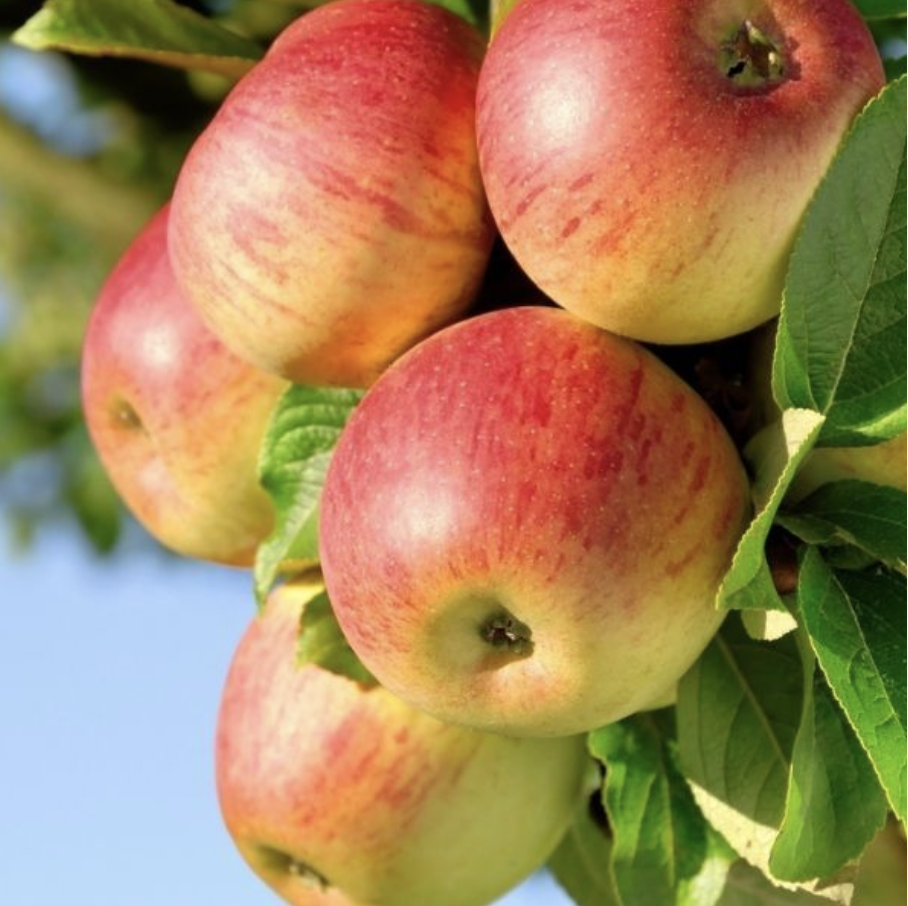
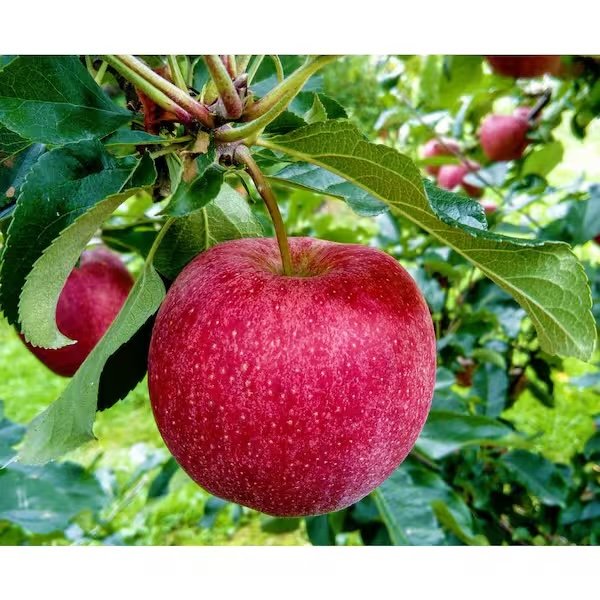
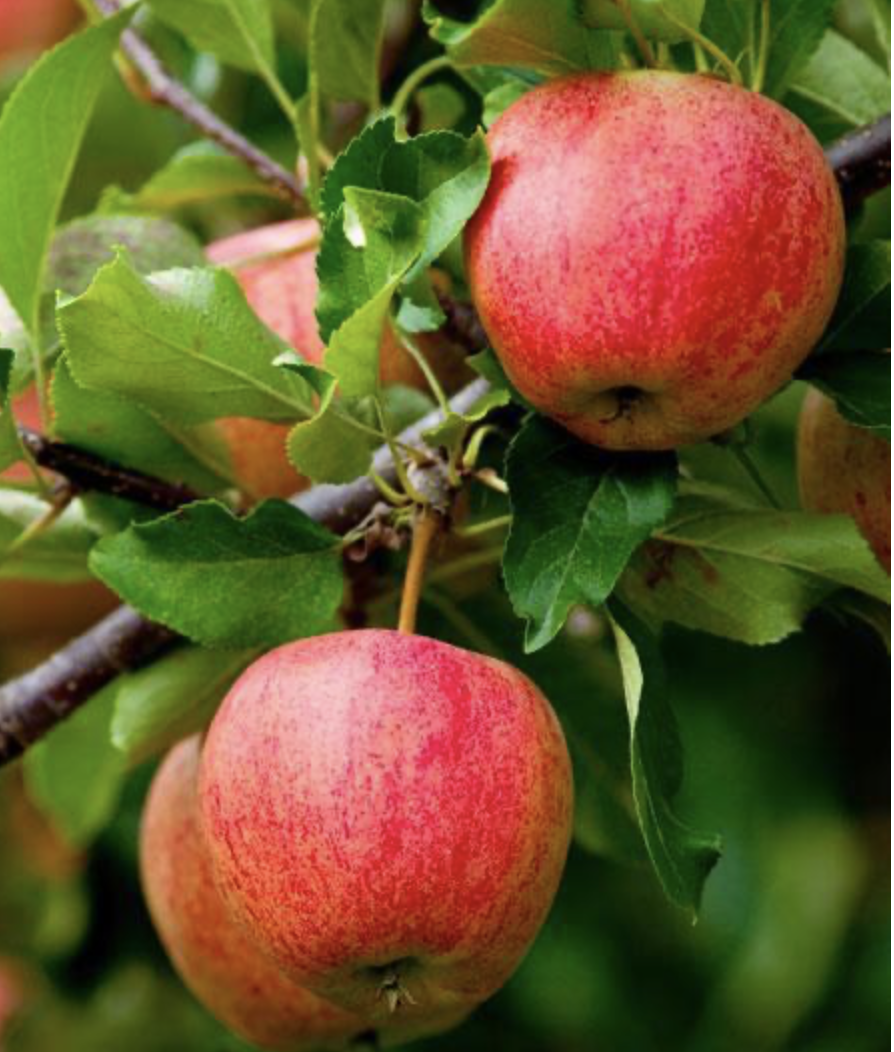
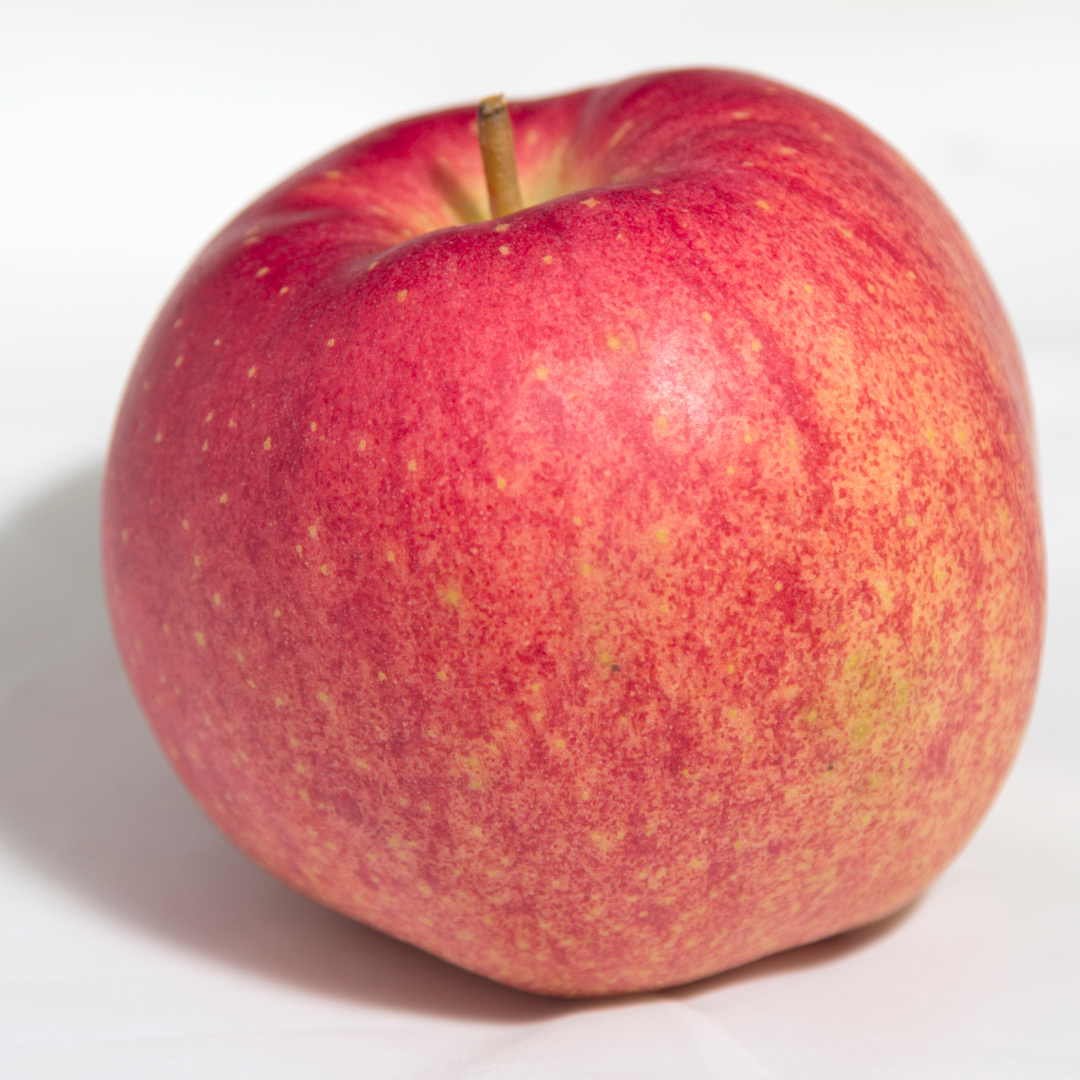
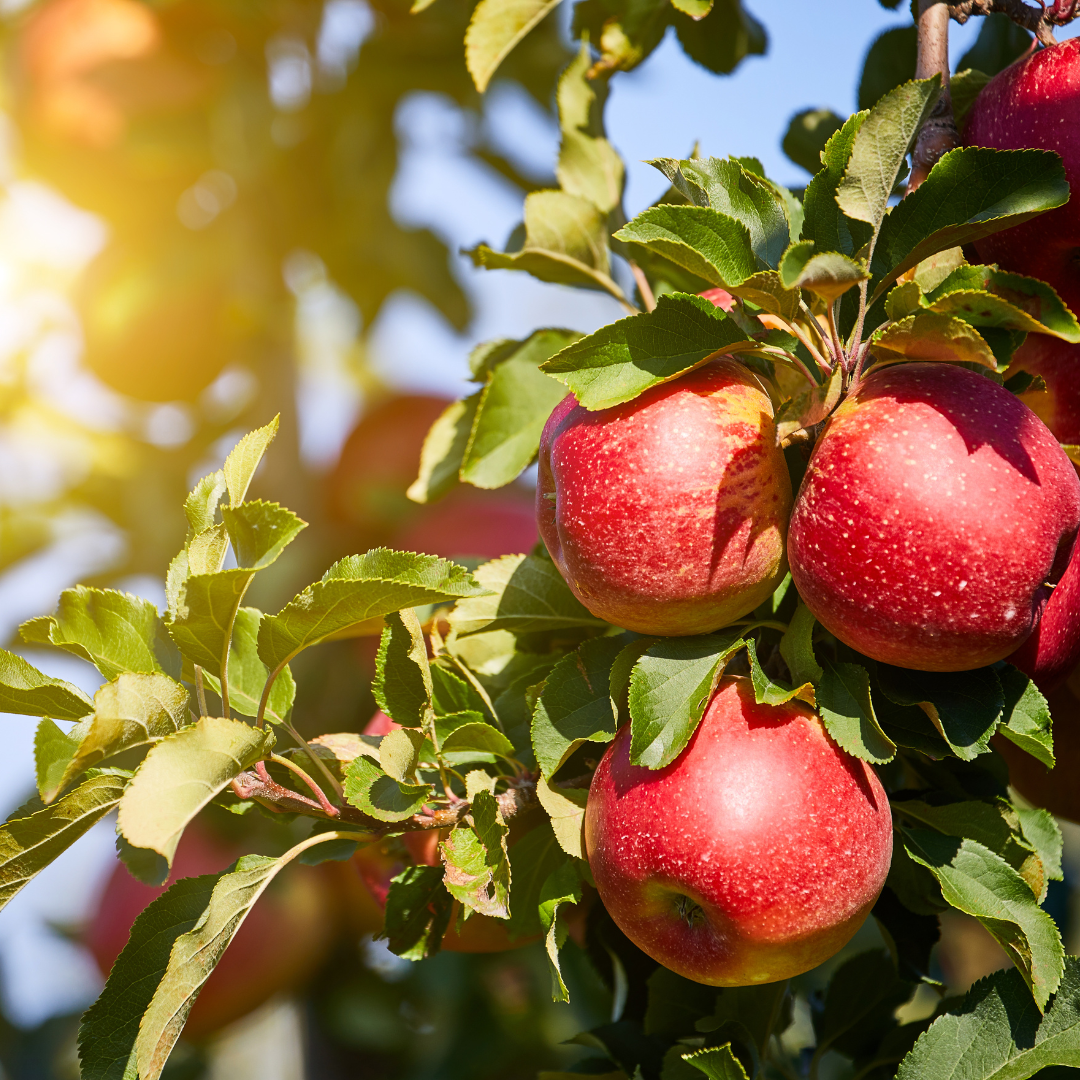
The Semi-Dwarf Snow (Fameuse) Apple Tree is known for its distinctive sweet-tart apples with crisp, juicy white flesh that resists browning—hence the name “Snow.” The fruit has a bright red skin over a yellow background and a tender, aromatic texture, making it excellent for fresh eating, baking, and sauces. The tree maintains a manageable size for home orchards and produces reliable, moderate yields. In spring, it produces fragrant white blossoms that develop into apples ripening in mid- to late fall.
Mature Height: 12-15 feet
Spacing: 12–15 feet apart
Interesting Information:
Snow/Fameuse apples are known for their slow browning after slicing, making them ideal for fresh snacks, salads, and pies.
This variety typically ripens in mid- to late fall, extending the apple season.
Cross-pollination is required for good fruit production. Good pollinators include McIntosh, Honeycrisp, or Cortland.
The Semi-Dwarf size makes it ideal for smaller gardens, combining manageable growth with consistent yields.
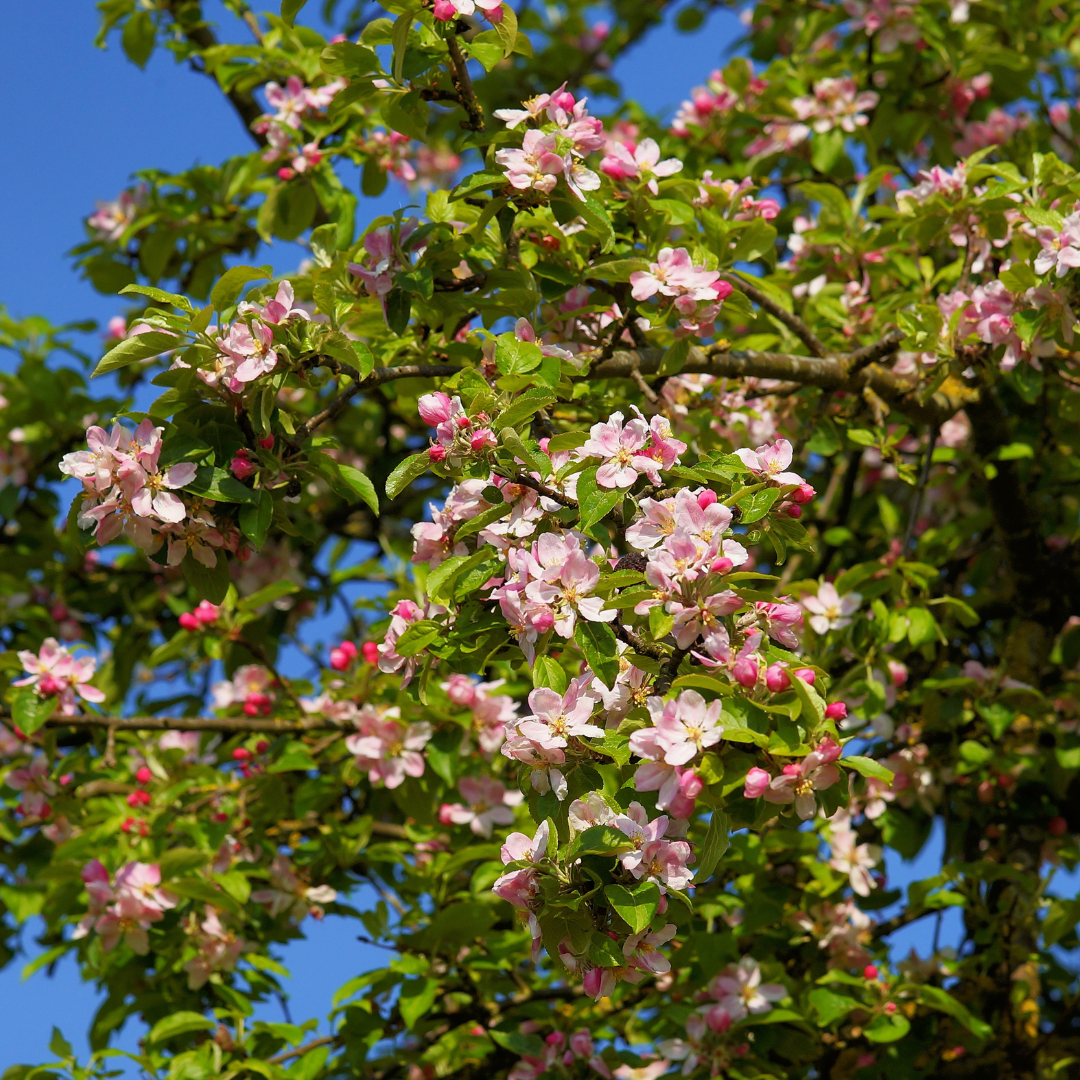
The tree’s spring blossoms attract bees and other pollinators, supporting a healthy orchard ecosystem.
Grow Zone: 3–7
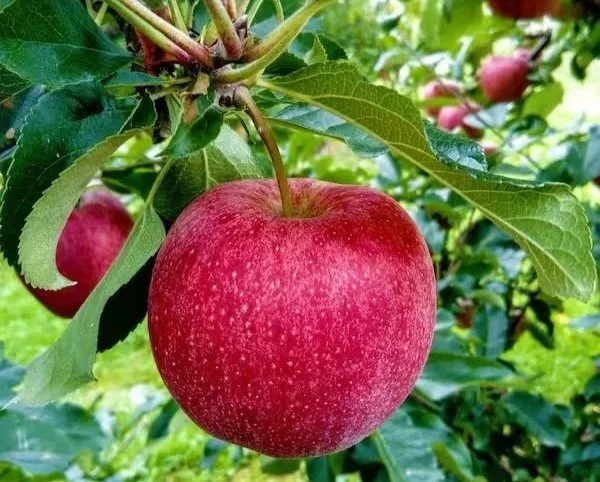
The Semi-Dwarf Snow (Fameuse) Apple Tree is known for its distinctive sweet-tart apples with crisp, juicy white flesh that resists browning—hence the name “Snow.” The fruit has a bright red skin over a yellow background and a tender, aromatic texture, making it excellent for fresh eating, baking, and sauces. The tree maintains a manageable size for home orchards and produces reliable, moderate yields. In spring, it produces fragrant white blossoms that develop into apples ripening in mid- to late fall.
Mature Height: 12-15 feet
Spacing: 12–15 feet apart
Interesting Information:
Snow/Fameuse apples are known for their slow browning after slicing, making them ideal for fresh snacks, salads, and pies.
This variety typically ripens in mid- to late fall, extending the apple season.
Cross-pollination is required for good fruit production. Good pollinators include McIntosh, Honeycrisp, or Cortland.
The Semi-Dwarf size makes it ideal for smaller gardens, combining manageable growth with consistent yields.
The tree’s spring blossoms attract bees and other pollinators, supporting a healthy orchard ecosystem.
Grow Zone: 3–7