 Image 1 of 3
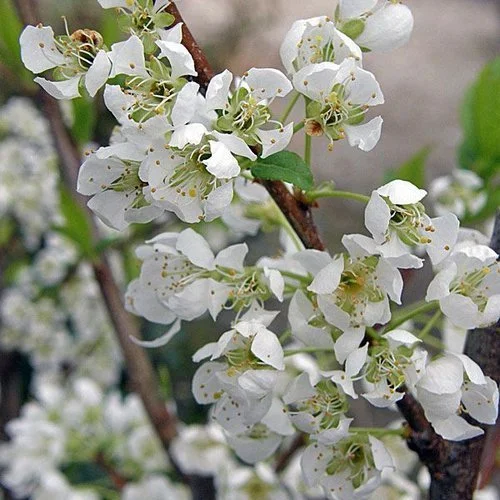 Image 2 of 3
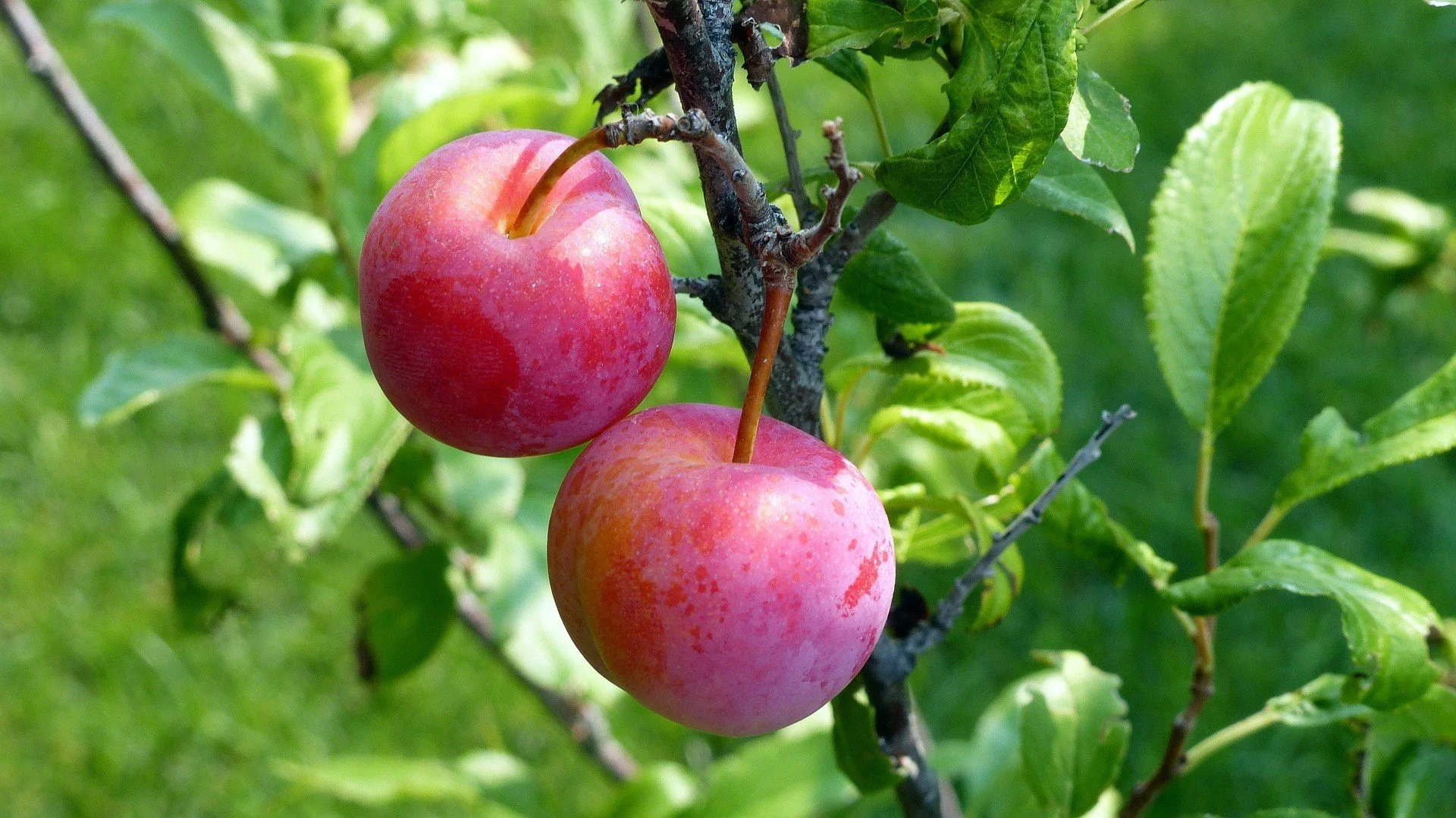 Image 3 of 3
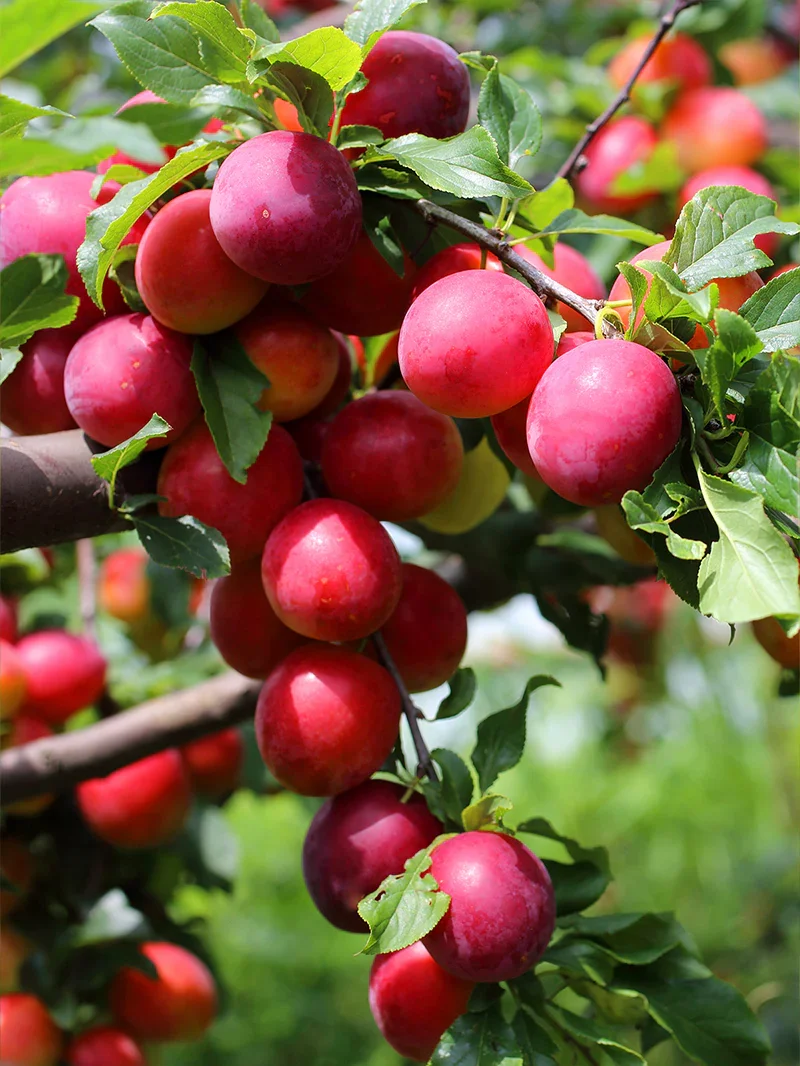
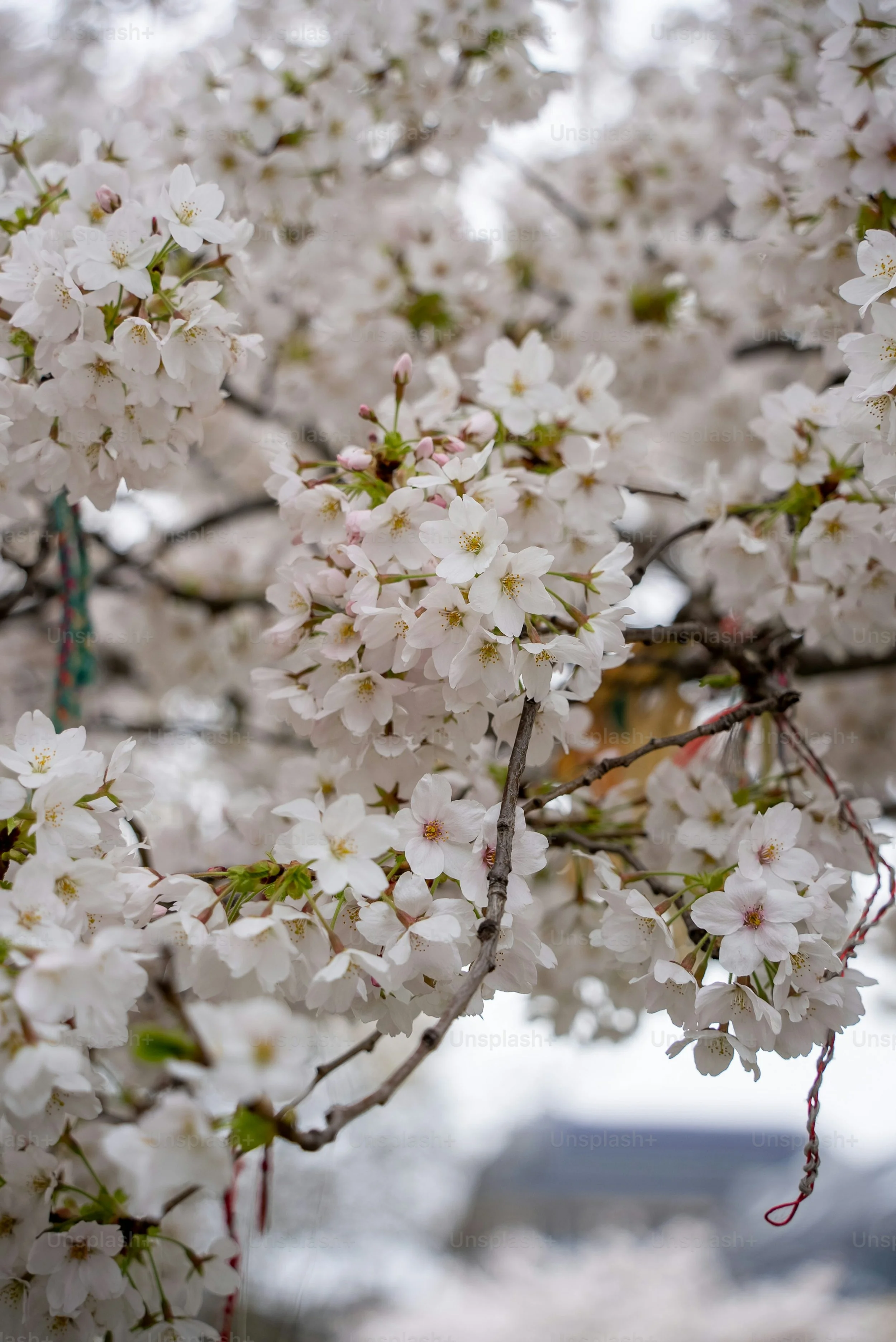
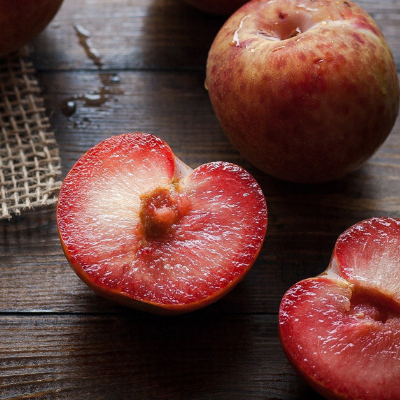
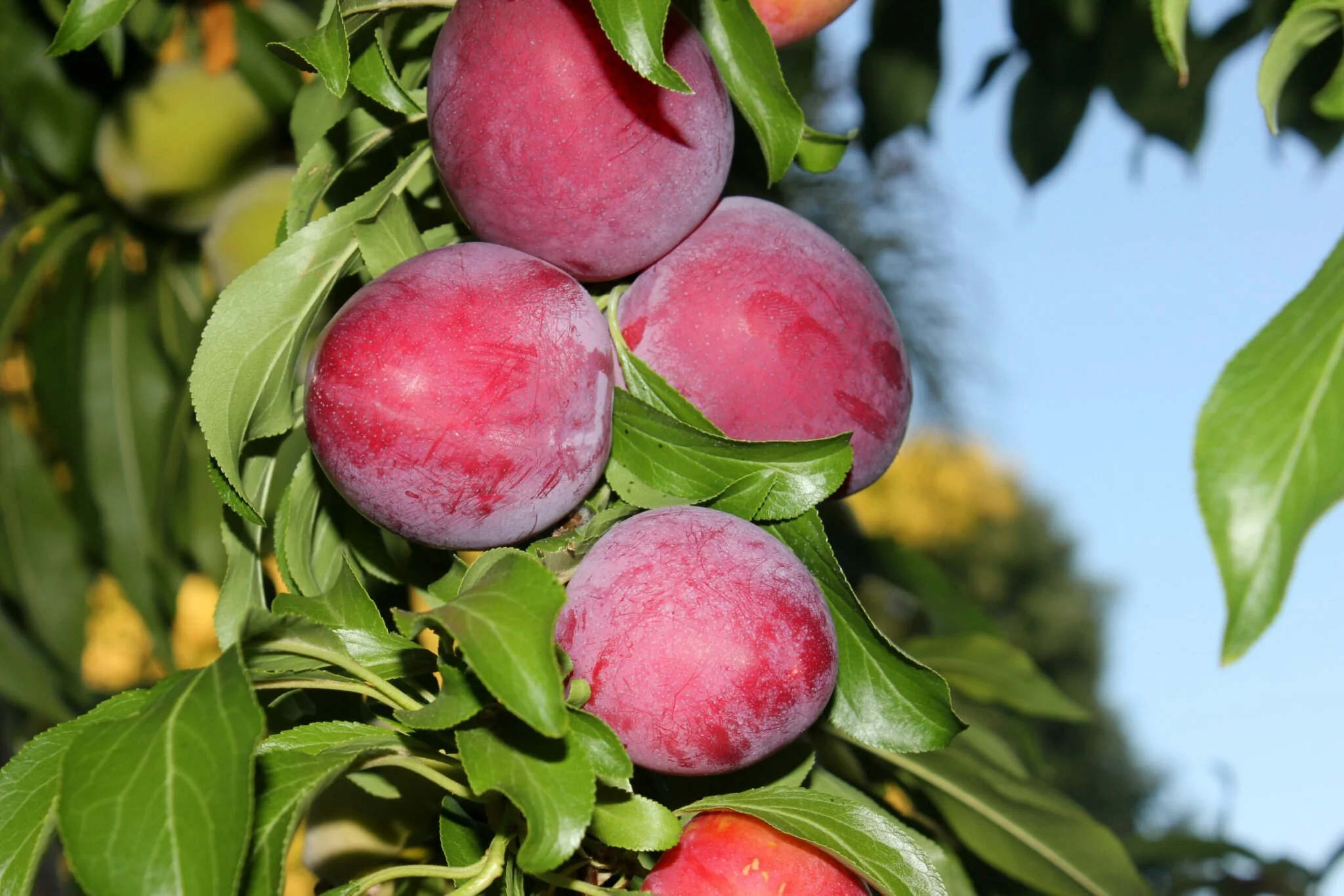
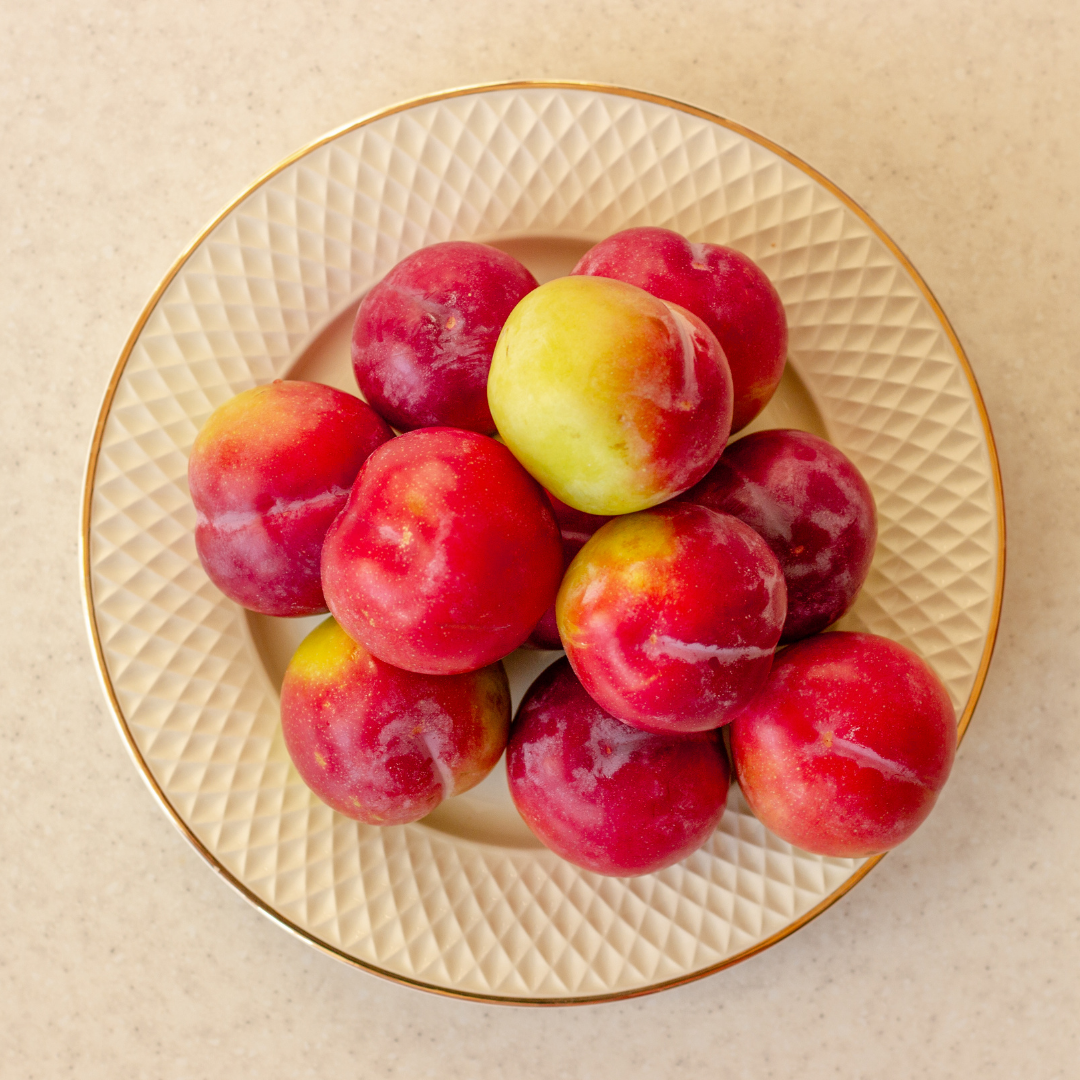
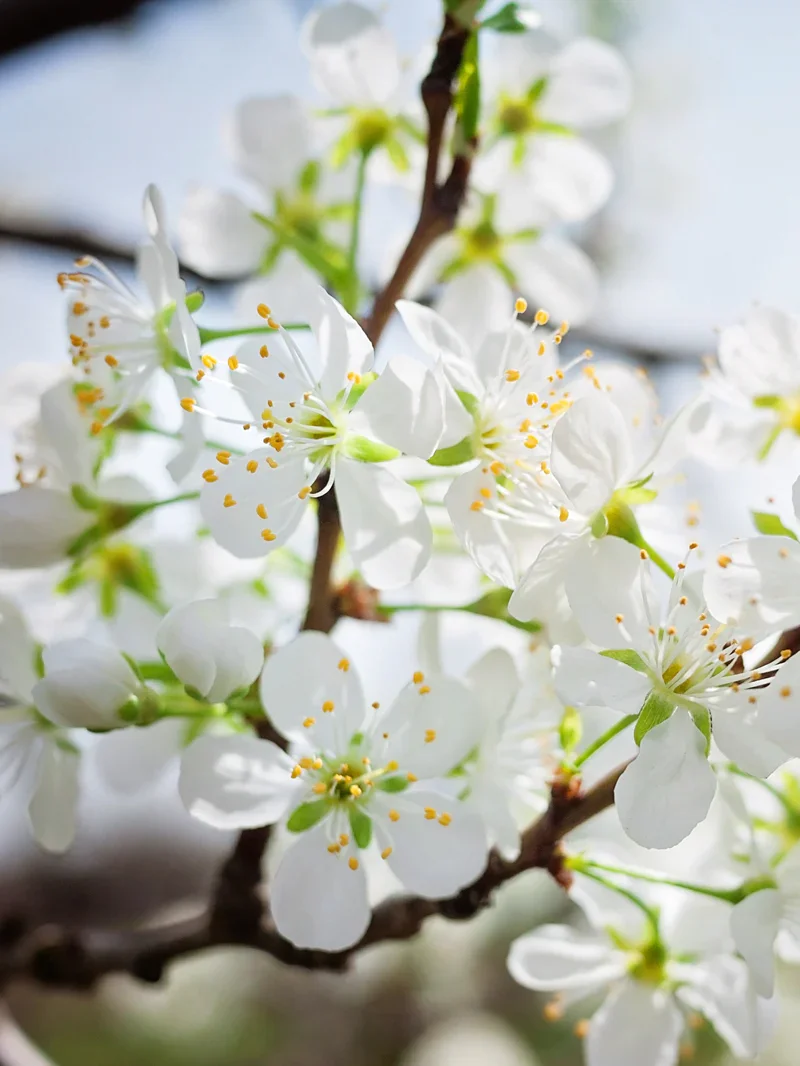
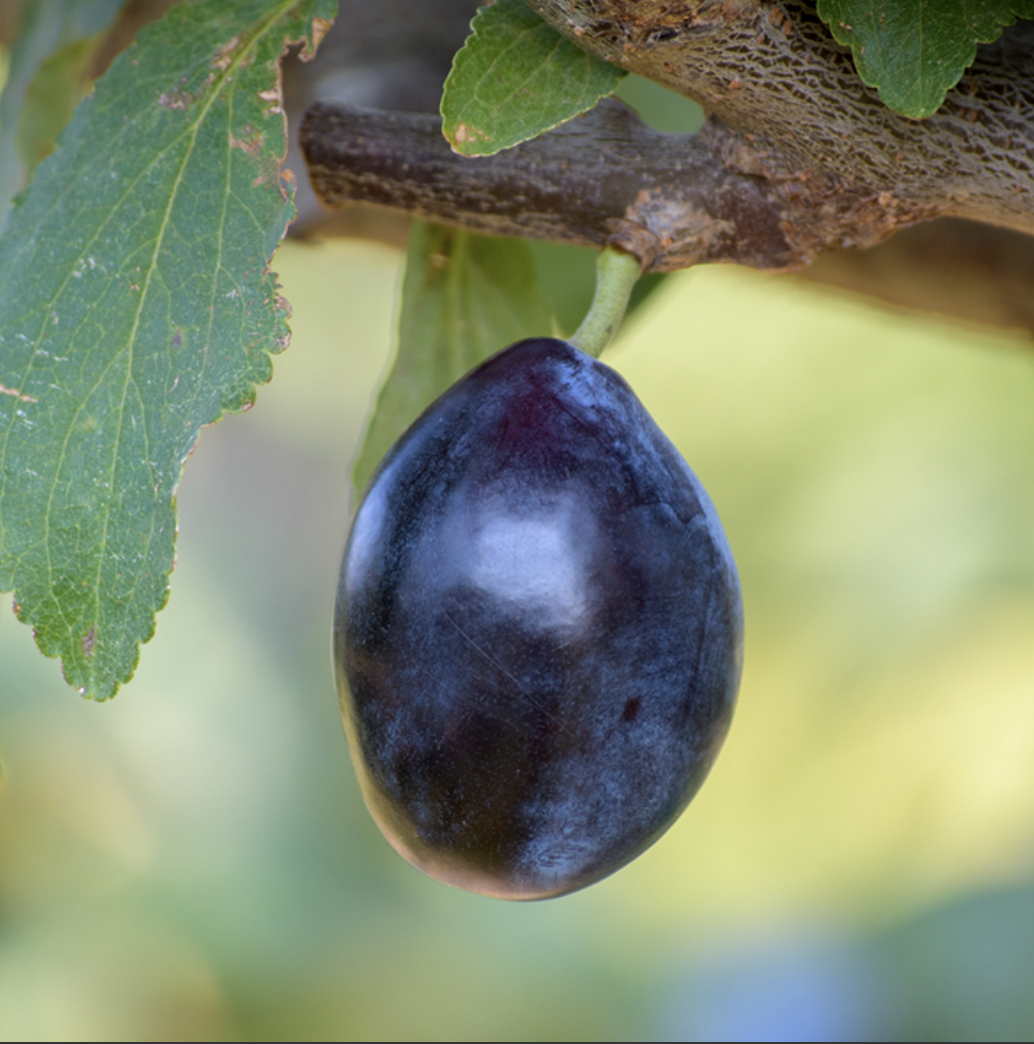
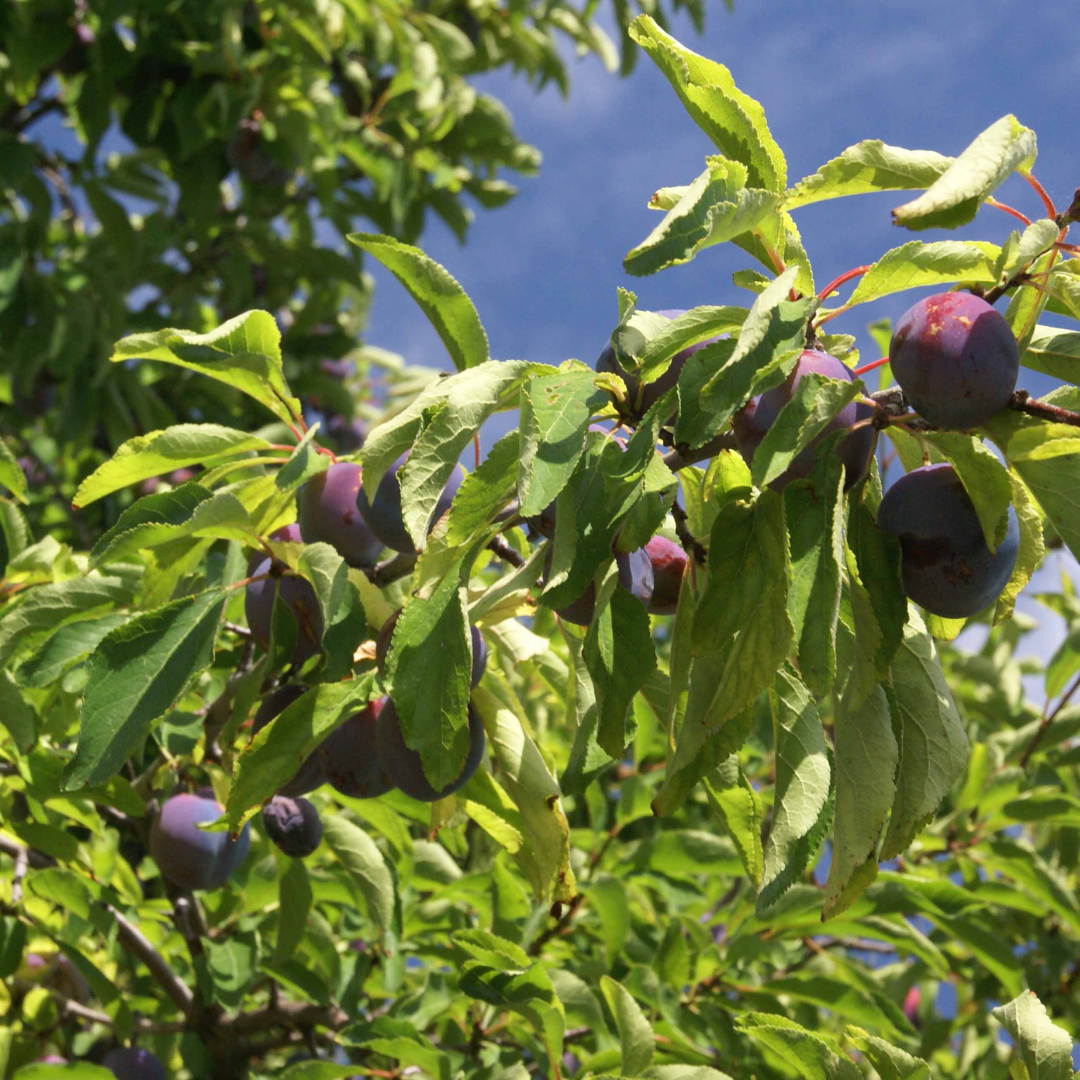
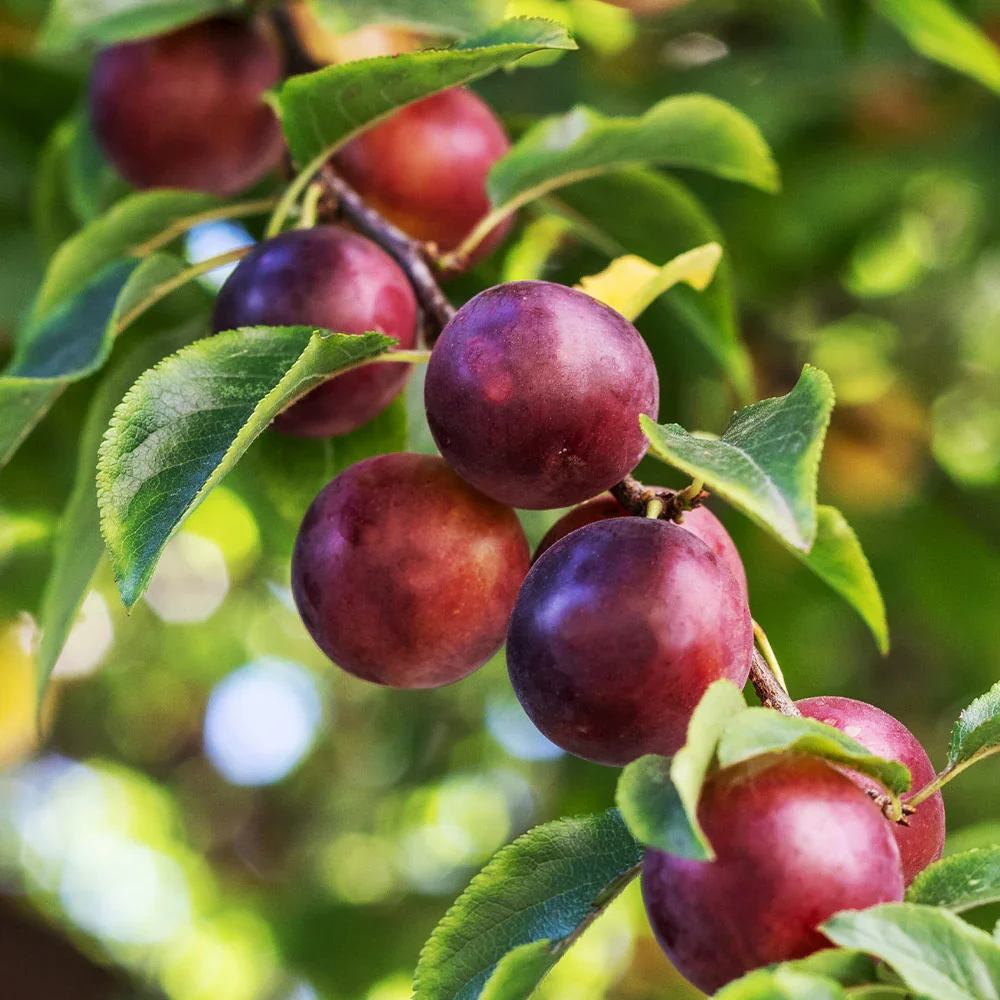
The Dwarf Satsuma Plum Tree is known for its medium to large, dark red to burgundy plums with richly colored red flesh and a sweet, juicy flavor. The fruit has a smooth texture and is excellent for fresh eating, preserves, jams, and cooking. This dwarf tree has a compact, manageable growth habit, making it ideal for small gardens, patios, and home orchards. In spring, it produces abundant, fragrant white blossoms that develop into flavorful fruit ripening in mid to late summer.
Mature Height: 8–10 feet
Spacing: 8–10 feet apart
Interesting Information:
Satsuma plums are prized for their deep red flesh and rich, sweet flavor, often considered one of the best plums for preserves and fresh use.
This variety is partially self-pollinating but will produce heavier yields when planted near another Japanese plum variety such as Santa Rosa or Mariposa.
The fruit is a clingstone type, making it especially well-suited for cooking, jams, and sauces.
The tree is a reliable producer once established and often begins bearing fruit within 2–3 years.
Its fragrant spring blossoms attract bees and other beneficial pollinators, supporting healthy fruit development.
The dwarf size allows for easy pruning, harvesting, and maintenance while still producing full-sized, high-quality fruit.
Grow Zone: 5–9
The Dwarf Satsuma Plum Tree is known for its medium to large, dark red to burgundy plums with richly colored red flesh and a sweet, juicy flavor. The fruit has a smooth texture and is excellent for fresh eating, preserves, jams, and cooking. This dwarf tree has a compact, manageable growth habit, making it ideal for small gardens, patios, and home orchards. In spring, it produces abundant, fragrant white blossoms that develop into flavorful fruit ripening in mid to late summer.
Mature Height: 8–10 feet
Spacing: 8–10 feet apart
Interesting Information:
Satsuma plums are prized for their deep red flesh and rich, sweet flavor, often considered one of the best plums for preserves and fresh use.
This variety is partially self-pollinating but will produce heavier yields when planted near another Japanese plum variety such as Santa Rosa or Mariposa.
The fruit is a clingstone type, making it especially well-suited for cooking, jams, and sauces.
The tree is a reliable producer once established and often begins bearing fruit within 2–3 years.
Its fragrant spring blossoms attract bees and other beneficial pollinators, supporting healthy fruit development.
The dwarf size allows for easy pruning, harvesting, and maintenance while still producing full-sized, high-quality fruit.
Grow Zone: 5–9