 Image 1 of 1
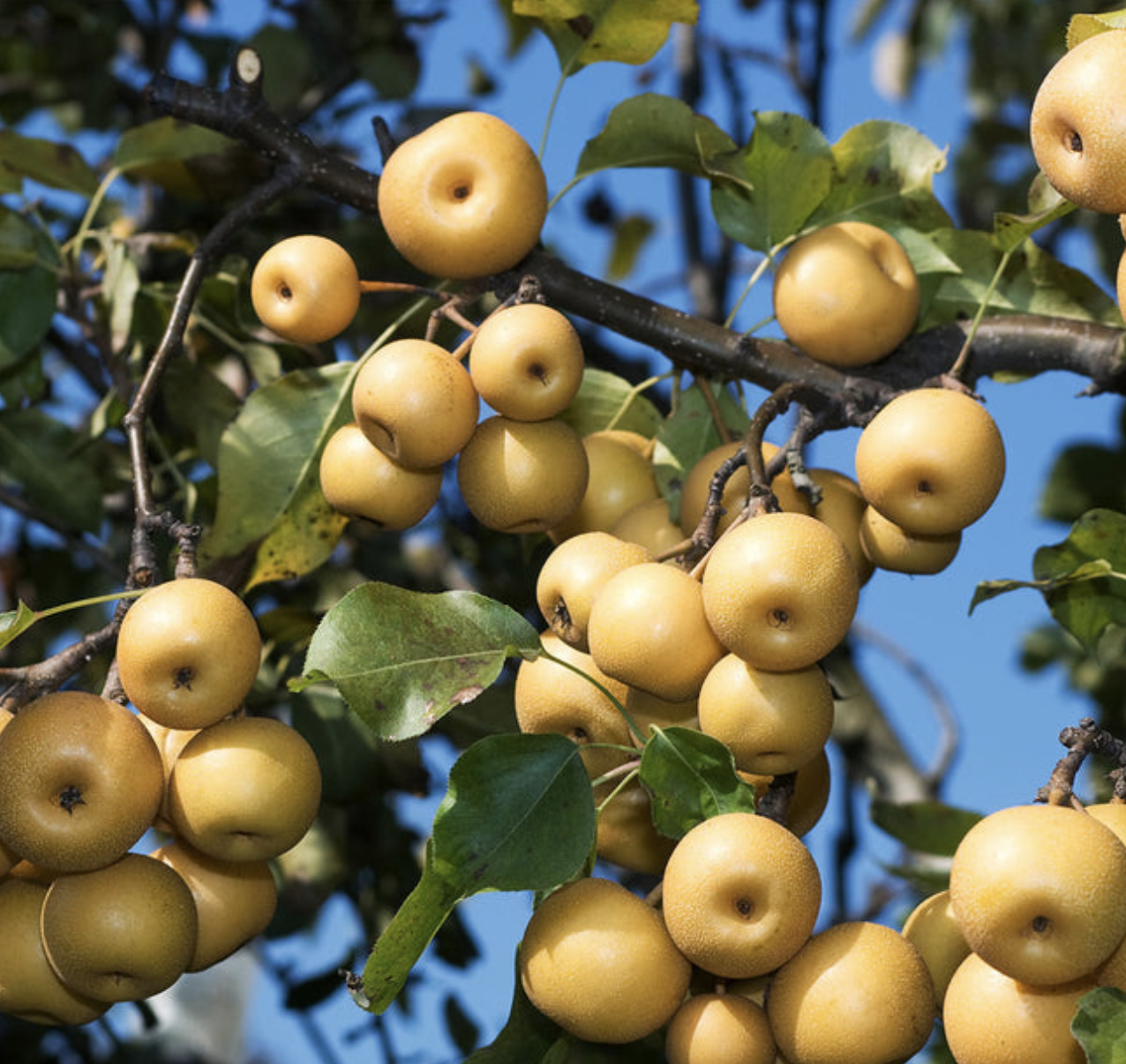
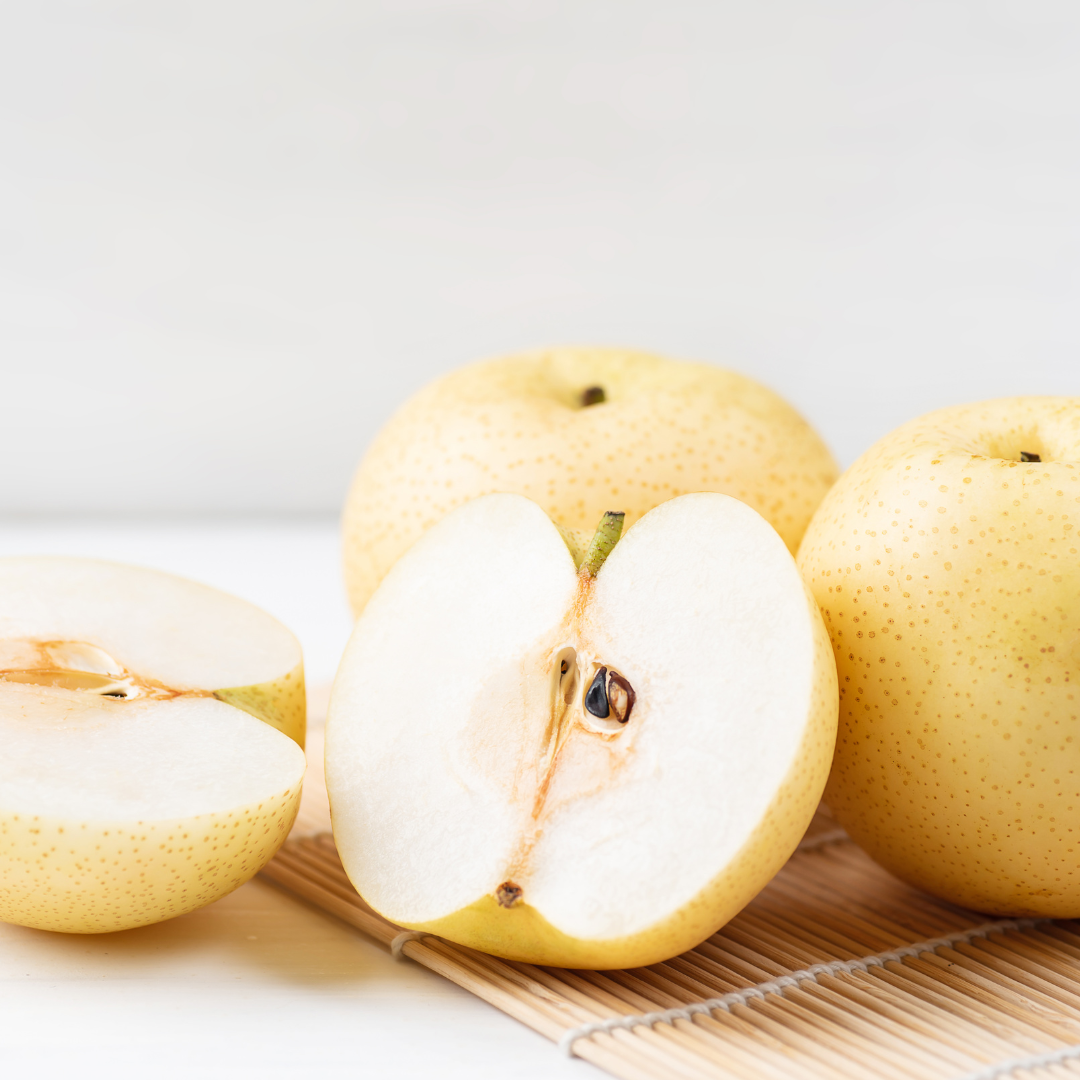
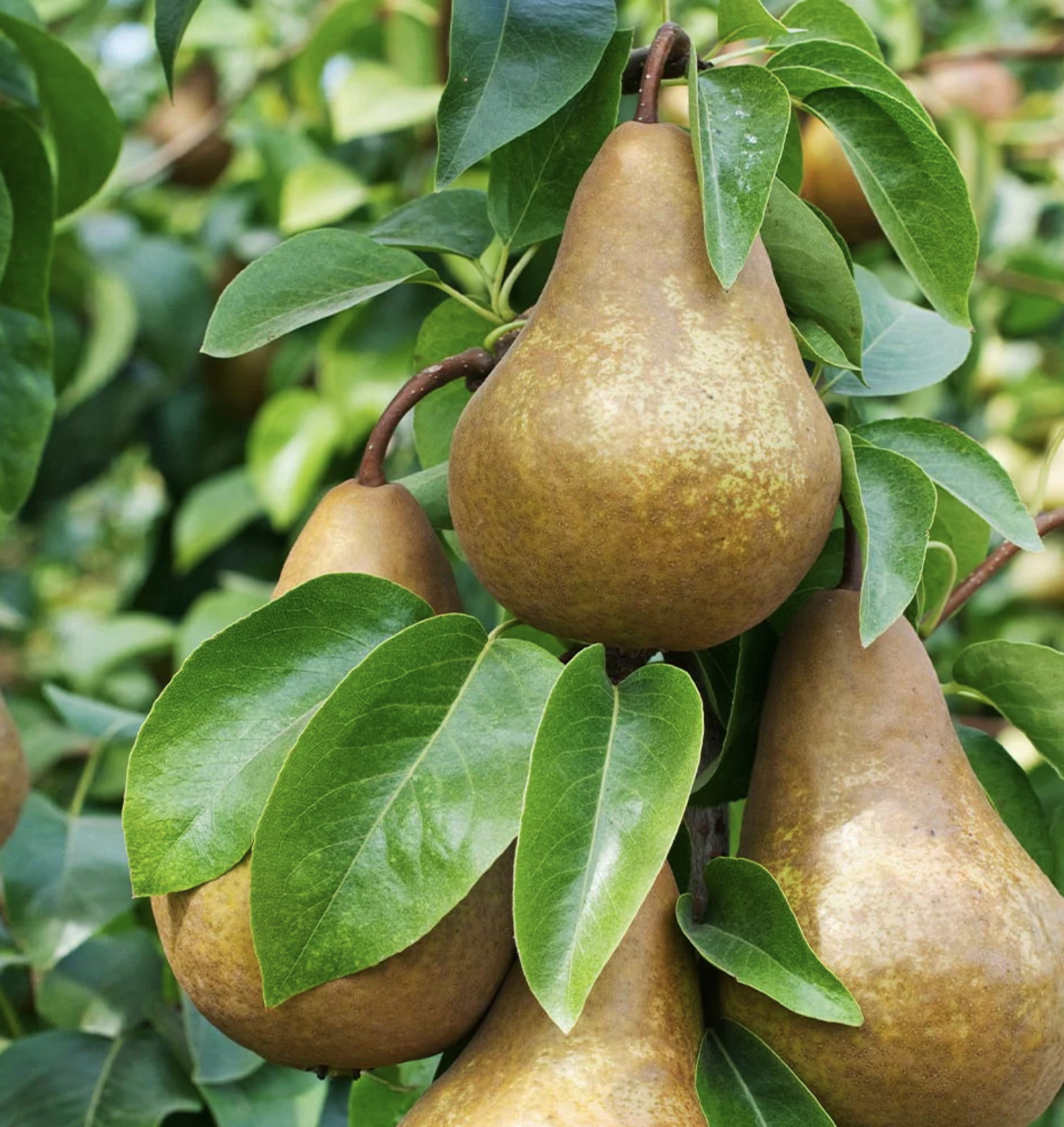
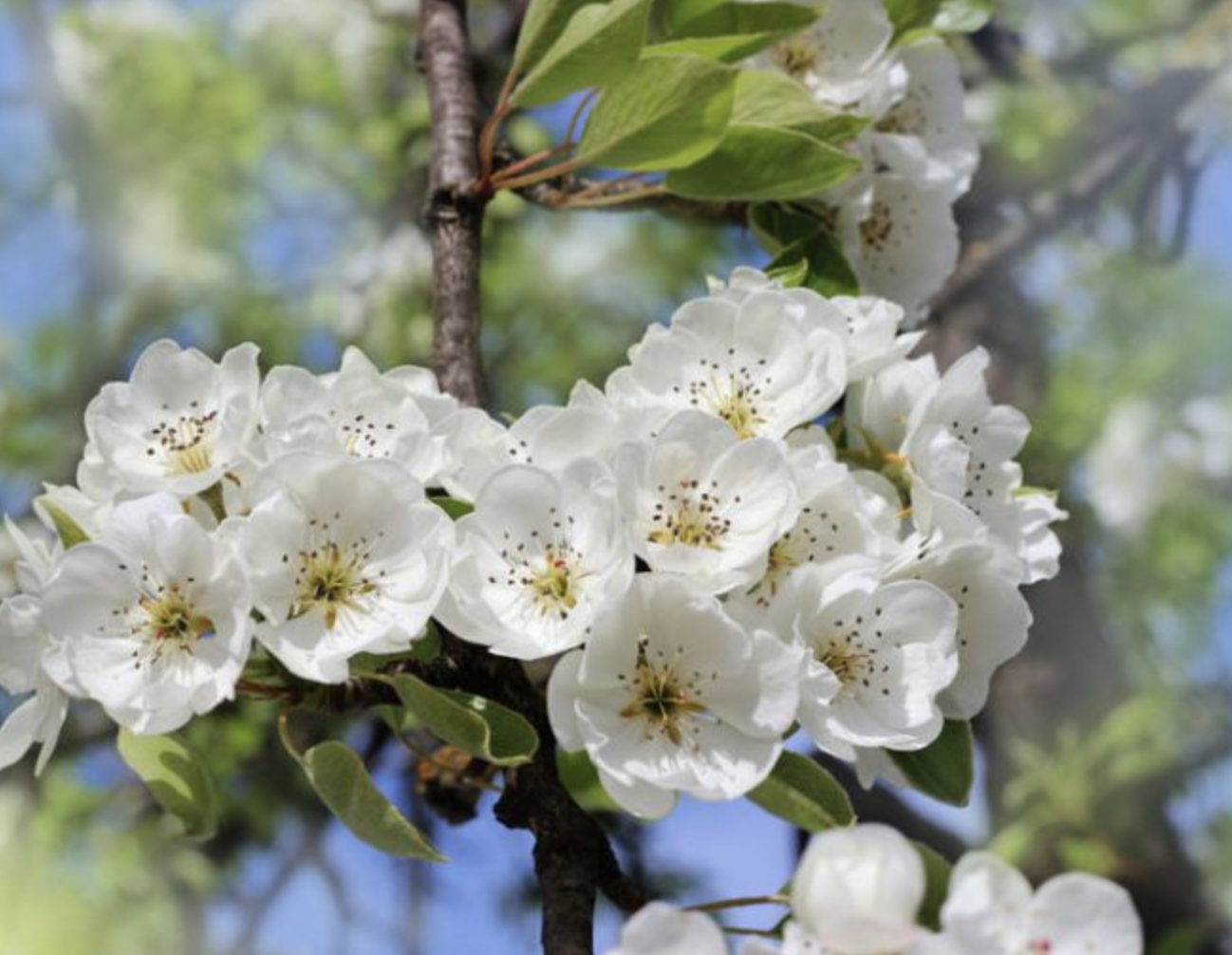
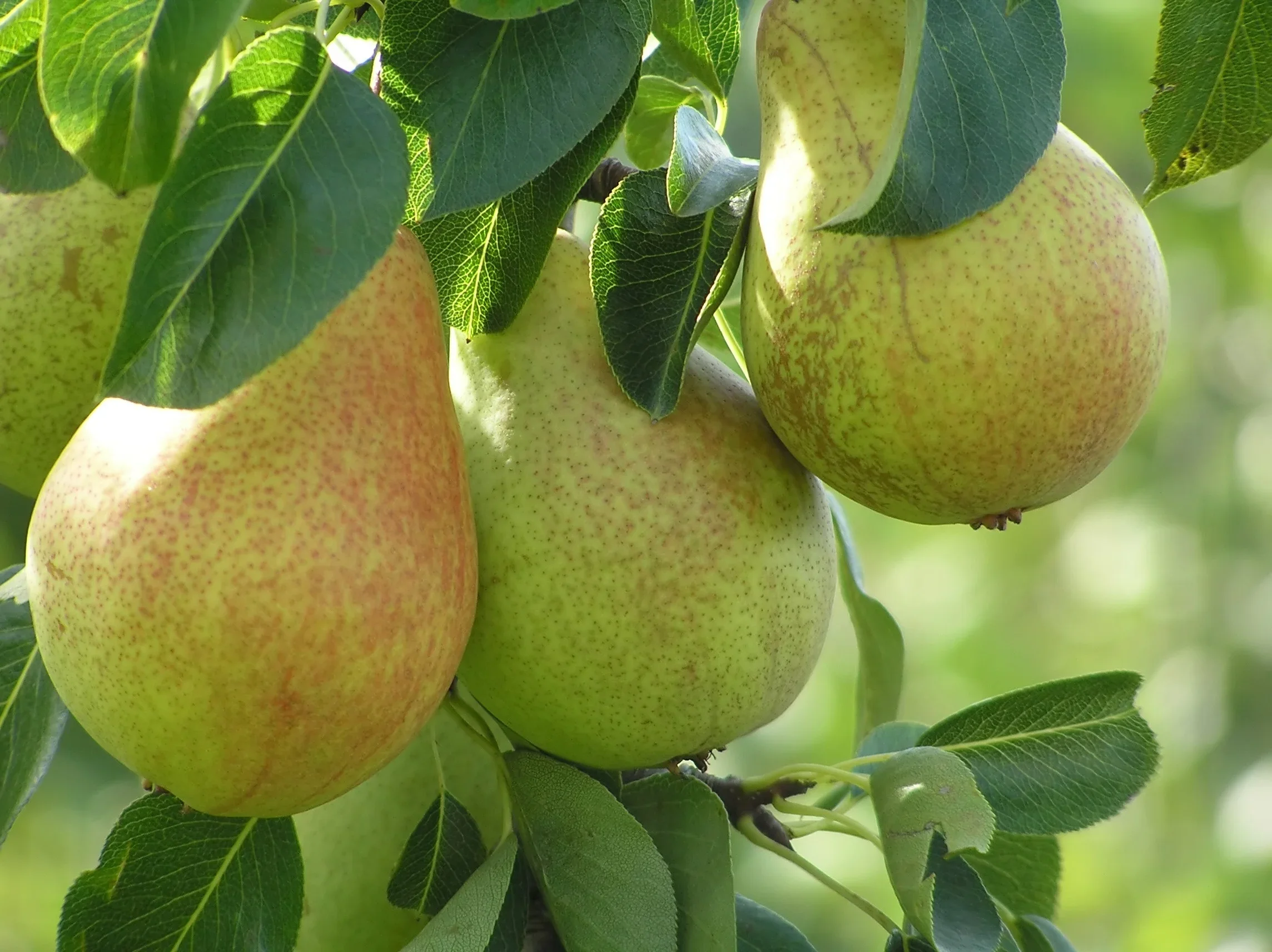
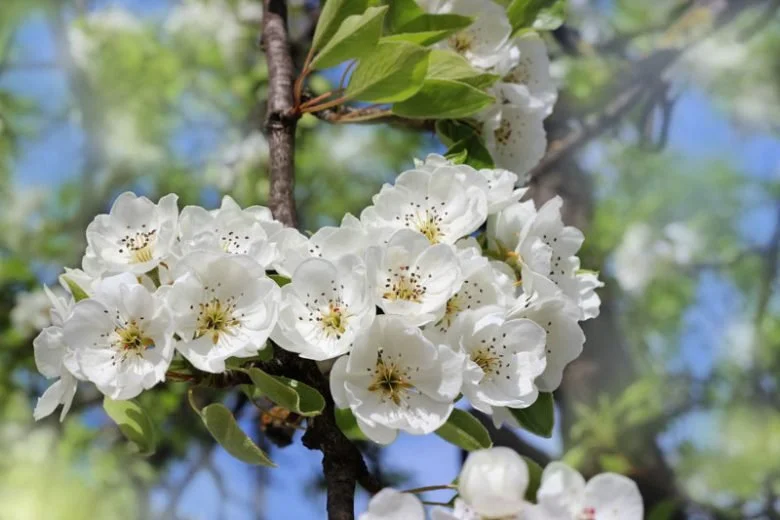
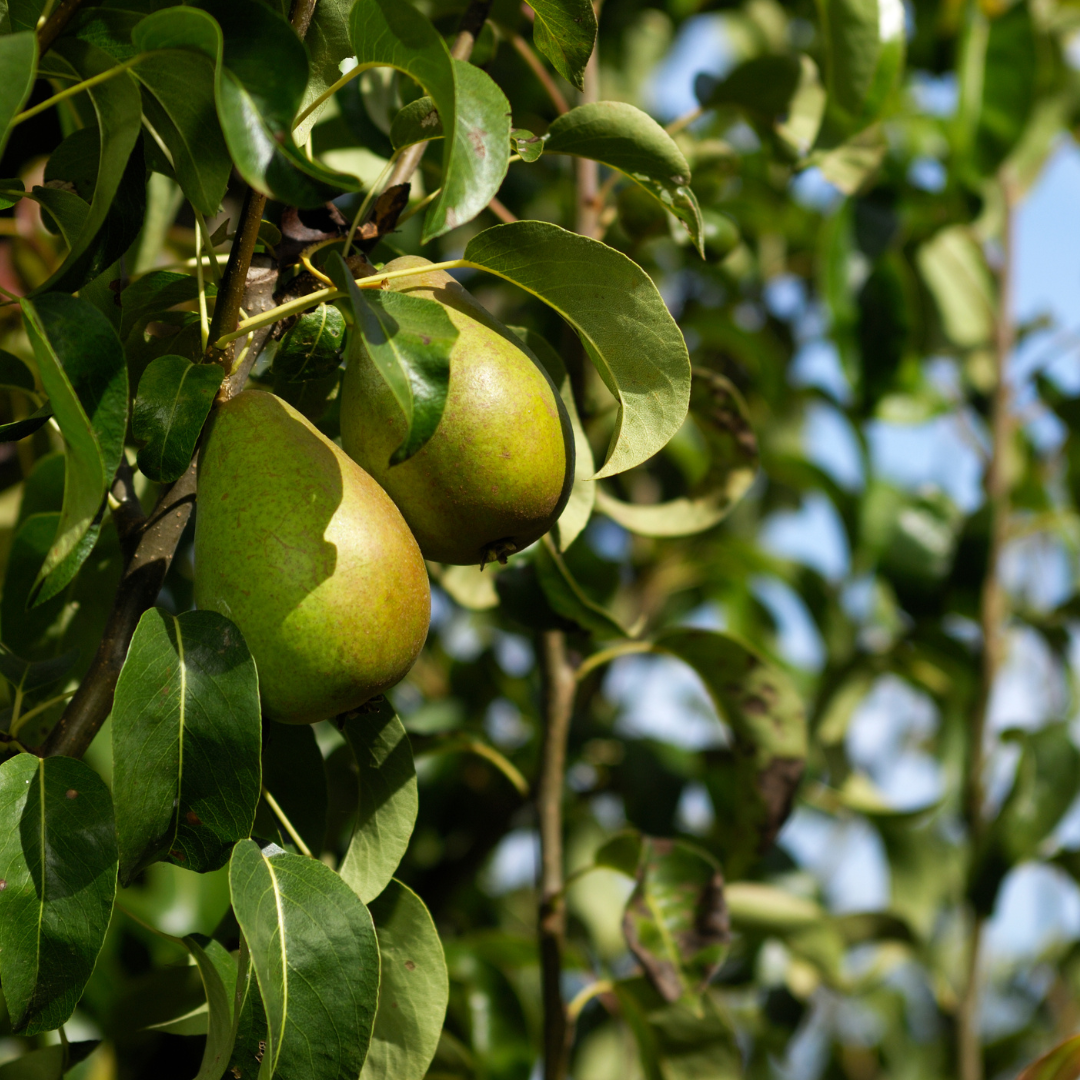
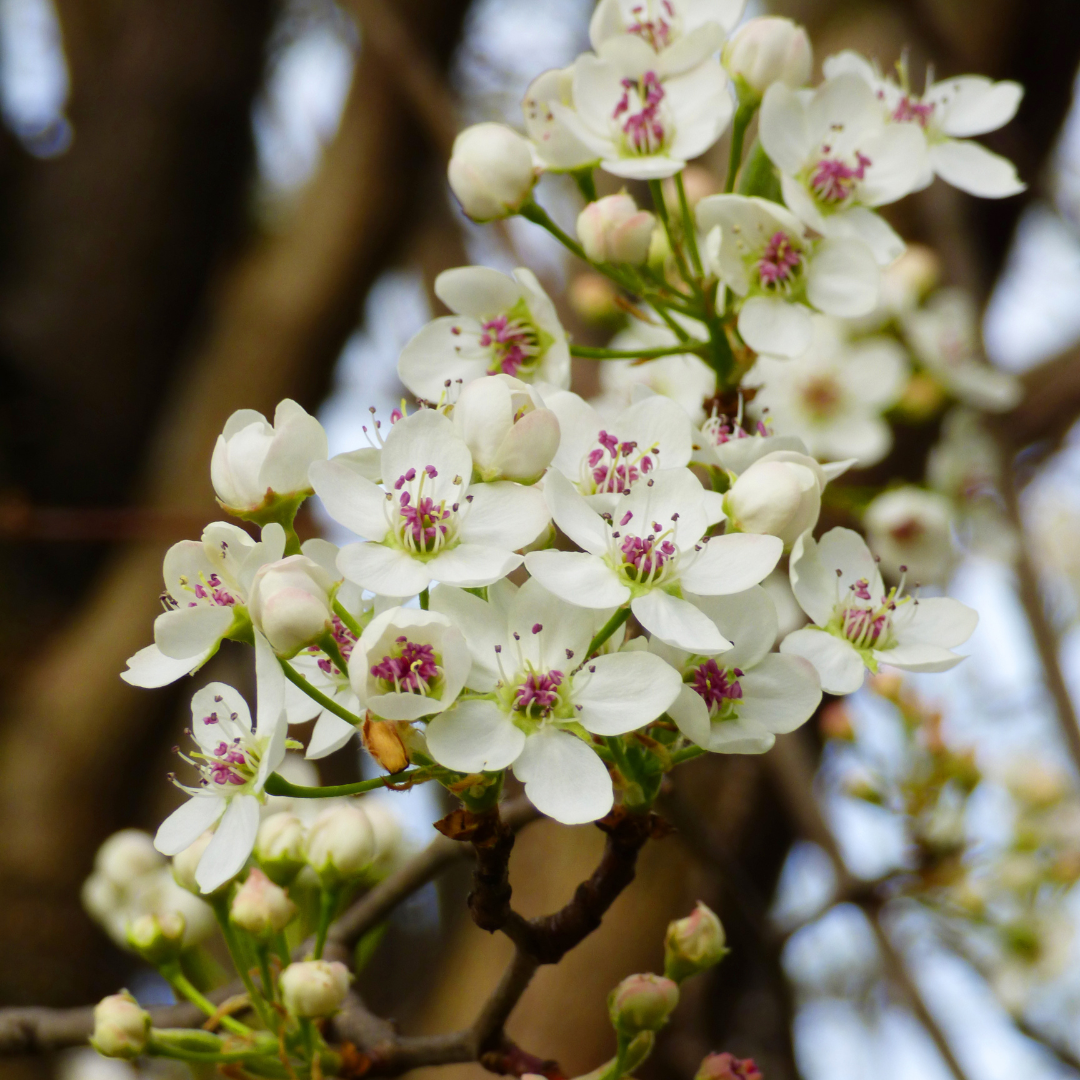
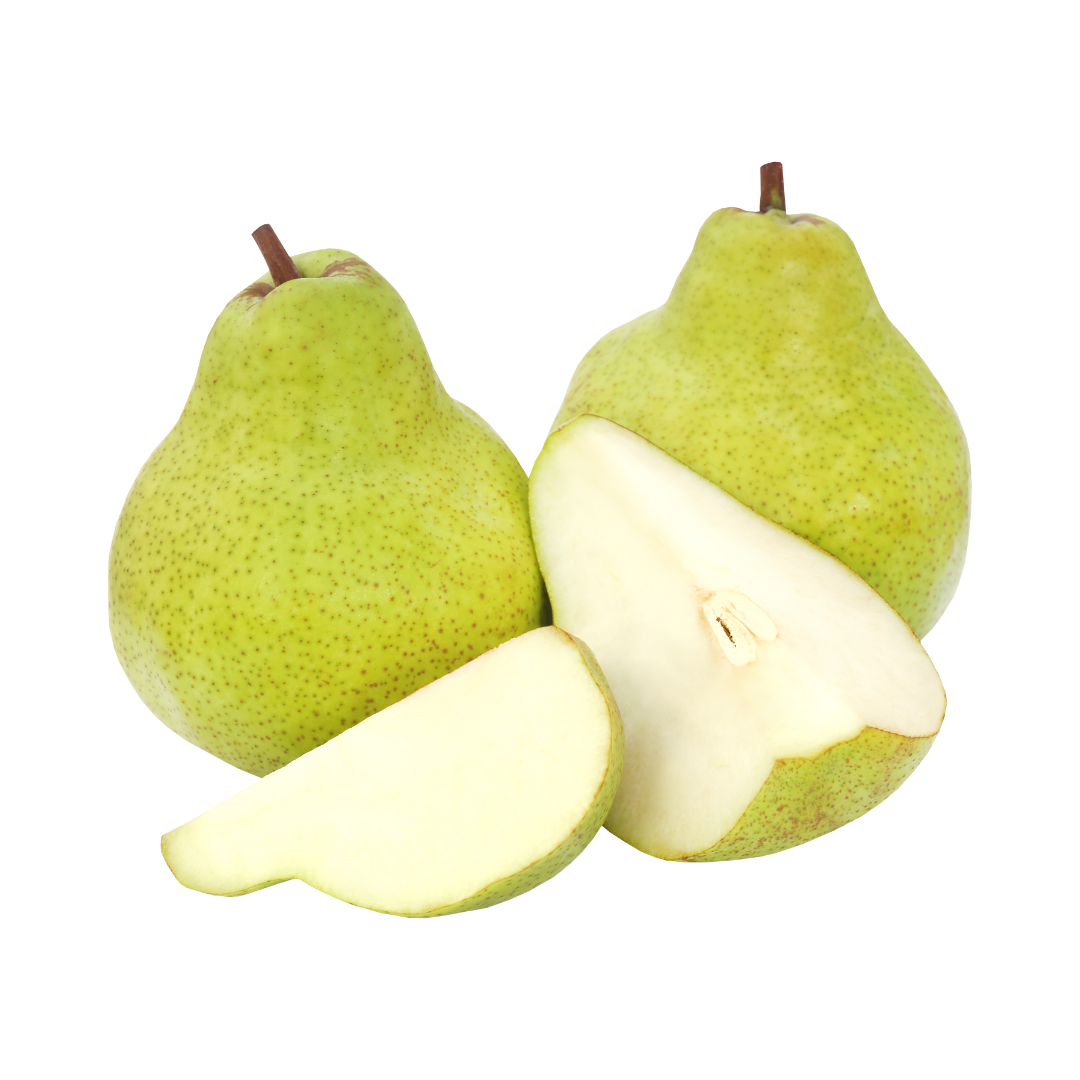
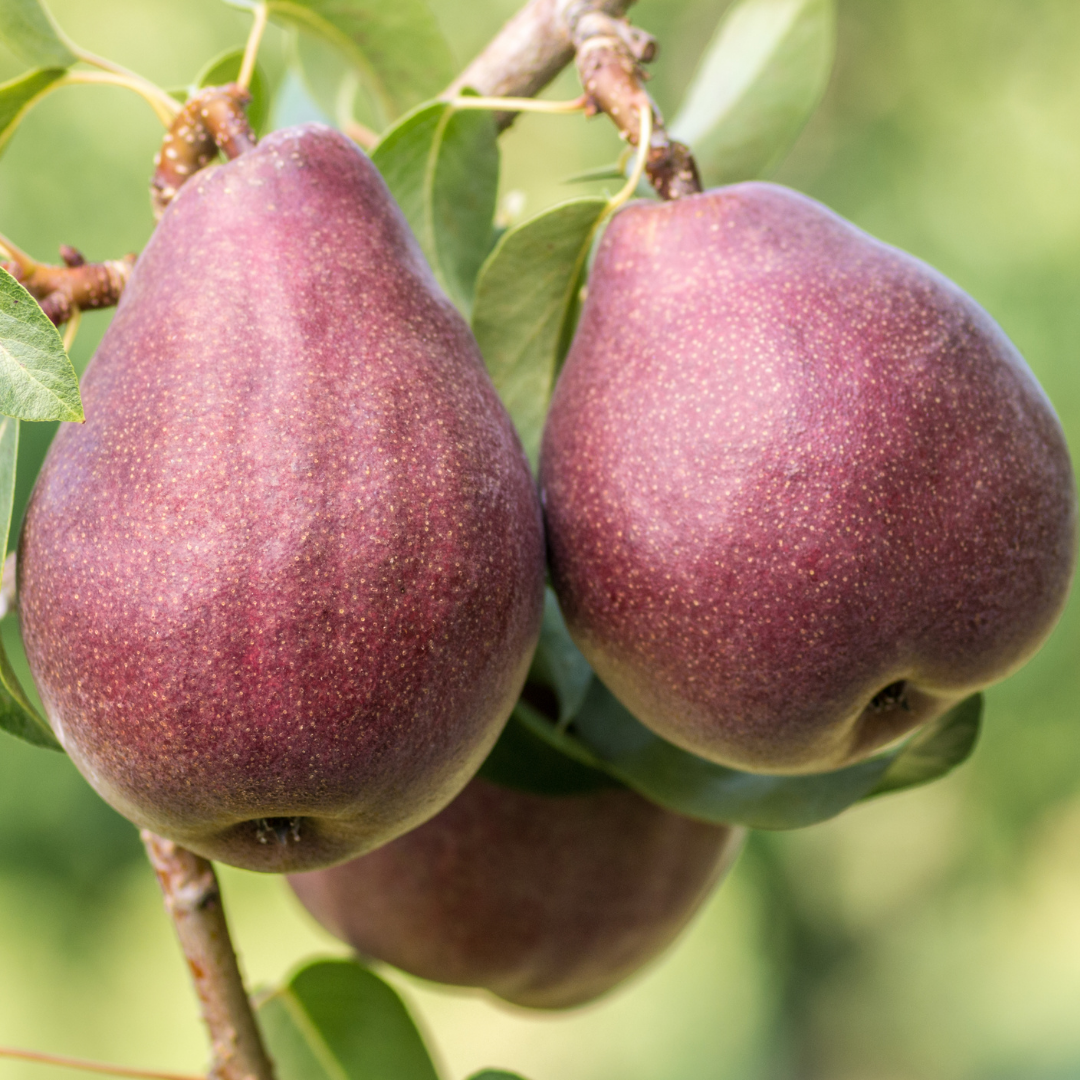
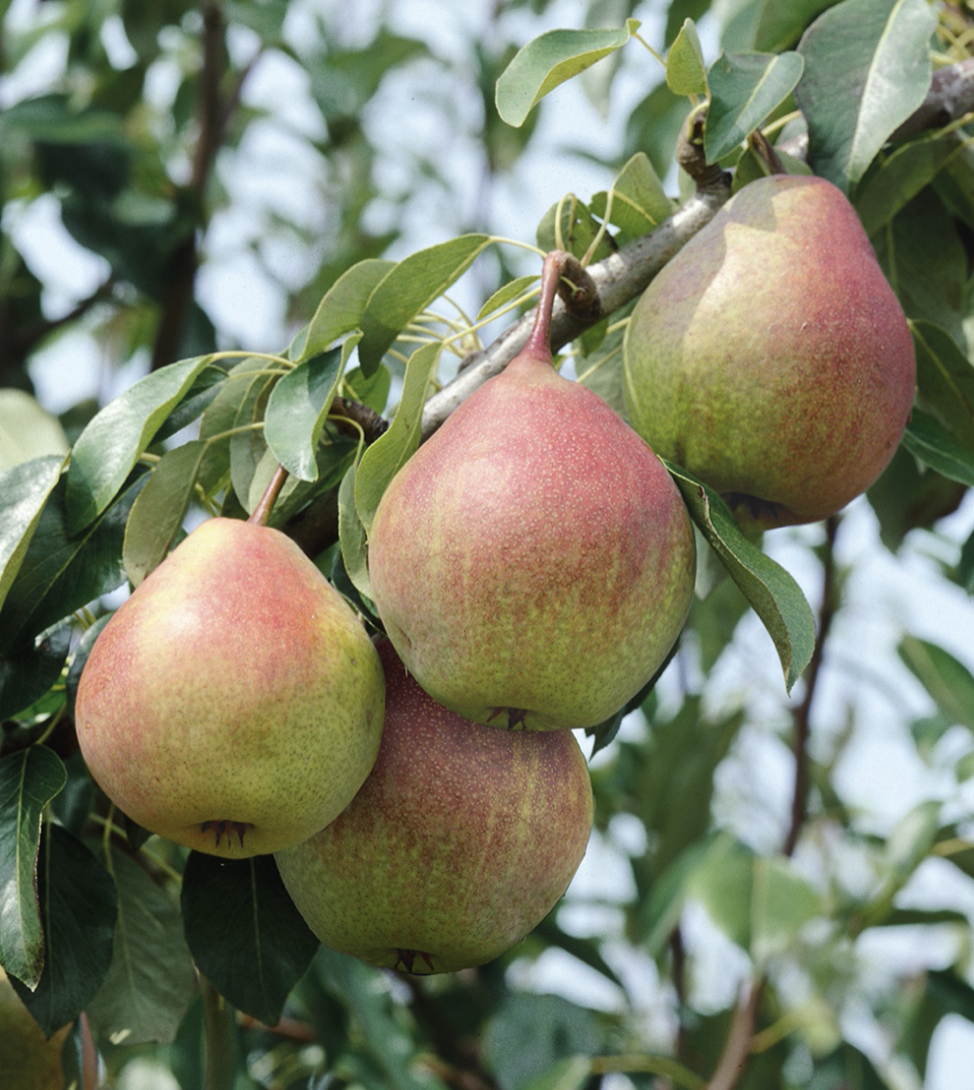
The Dwarf Seckel Pear Tree is known for its small, sweet, and aromatic red-tinged pears with a crisp, buttery texture. The fruit is excellent for fresh eating, preserves, canning, and light baking. This dwarf tree has a compact, spreading growth habit, making it ideal for small gardens, patios, or container plantings. In spring, it produces clusters of fragrant white blossoms that develop into vibrant, richly flavored fruit ripening in late summer.
Mature Height: 8–10 feet
Spacing: 8–10 feet apart
Interesting Information:
Red Seckel pears are prized for their small size, rich sweetness, and intense flavor, often called the “sugar pear” for its dessert-quality taste.
This variety is not self-pollinating and requires a compatible pear variety, such as Bartlett, Bosc, or Comice, for proper fruit set.
The fruit is best harvested firm and allowed to ripen off the tree for optimal flavor and texture.
The tree is a reliable, moderate producer and typically begins bearing fruit within 2–3 years.
Fragrant spring blossoms attract bees and other pollinators, enhancing fruit set and garden biodiversity.
The dwarf size allows for easier pruning, harvesting, and maintenance while still producing full-flavored, high-quality pears.
Grow Zone: 5–8
The Dwarf Seckel Pear Tree is known for its small, sweet, and aromatic red-tinged pears with a crisp, buttery texture. The fruit is excellent for fresh eating, preserves, canning, and light baking. This dwarf tree has a compact, spreading growth habit, making it ideal for small gardens, patios, or container plantings. In spring, it produces clusters of fragrant white blossoms that develop into vibrant, richly flavored fruit ripening in late summer.
Mature Height: 8–10 feet
Spacing: 8–10 feet apart
Interesting Information:
Red Seckel pears are prized for their small size, rich sweetness, and intense flavor, often called the “sugar pear” for its dessert-quality taste.
This variety is not self-pollinating and requires a compatible pear variety, such as Bartlett, Bosc, or Comice, for proper fruit set.
The fruit is best harvested firm and allowed to ripen off the tree for optimal flavor and texture.
The tree is a reliable, moderate producer and typically begins bearing fruit within 2–3 years.
Fragrant spring blossoms attract bees and other pollinators, enhancing fruit set and garden biodiversity.
The dwarf size allows for easier pruning, harvesting, and maintenance while still producing full-flavored, high-quality pears.
Grow Zone: 5–8