 Image 1 of 3
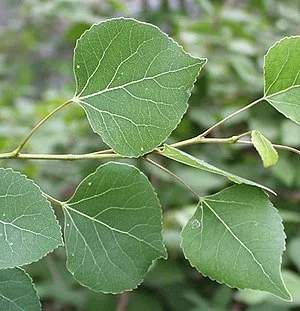 Image 2 of 3
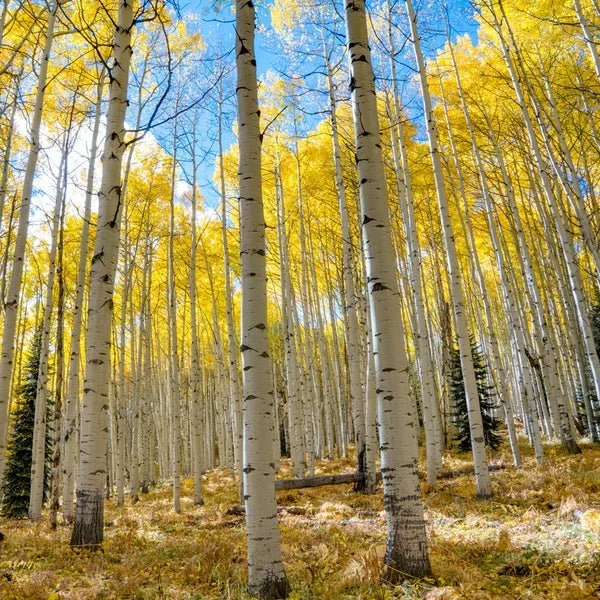 Image 3 of 3
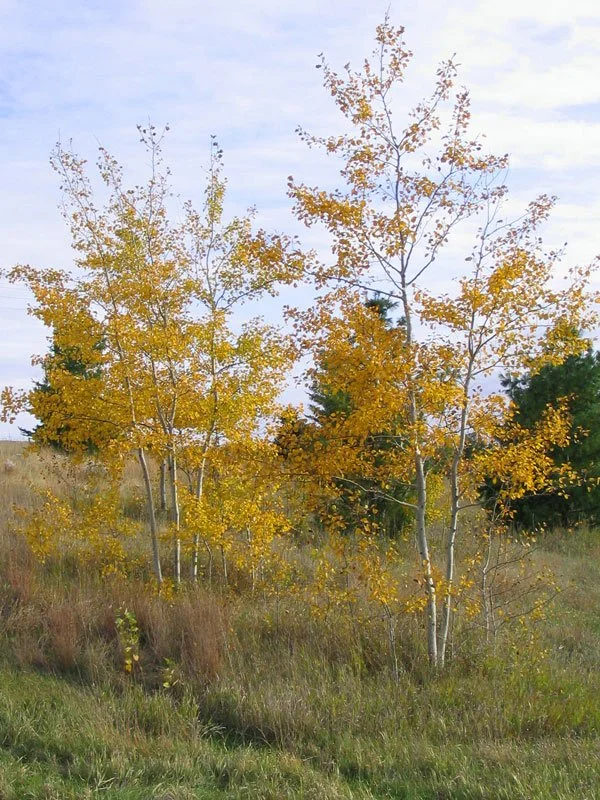
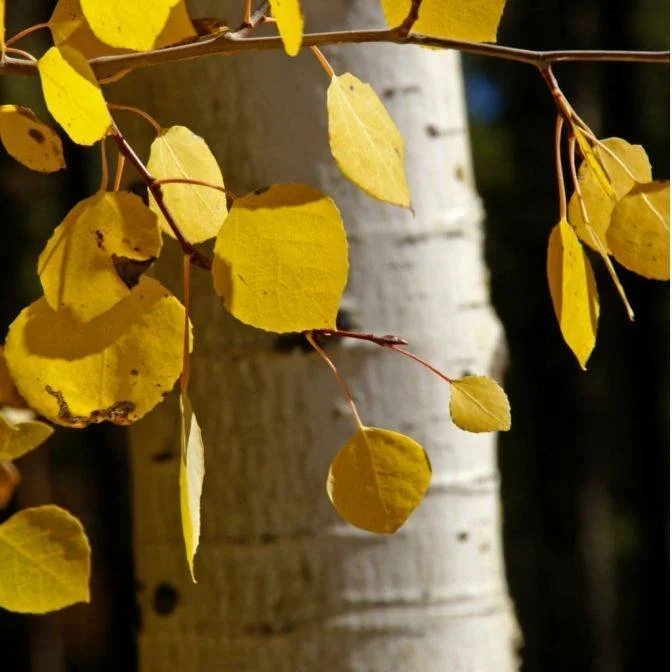
The Quaking Aspen is a fast-growing, deciduous tree known for its distinctive fluttering leaves and bright seasonal color. Its rounded green foliage trembles in even the slightest breeze, creating movement and soft sound in the landscape. In autumn, the leaves turn brilliant shades of yellow, making it one of the most iconic native trees in North America. Quaking Aspen is commonly used for naturalized plantings, shelterbelts, and restoration projects, and it adapts well to a wide range of soils and climates.
Mature Height: 40–60 feet (12–18 meters)
Spacing: 15–25 feet (4.5–7.5 meters) apart
Known for its signature “quaking” leaves, caused by flattened leaf stems that catch the wind easily.
One of the most widely distributed tree species in North America.
Spreads naturally by root suckers, often forming attractive groves or colonies.
Provides excellent wildlife habitat and food sources for birds and mammals.
Extremely cold-hardy and well adapted to northern and high-elevation climates.
Often used in natural landscapes, reforestation, and erosion control projects.
Grow Zone: 1–7
The Quaking Aspen is a fast-growing, deciduous tree known for its distinctive fluttering leaves and bright seasonal color. Its rounded green foliage trembles in even the slightest breeze, creating movement and soft sound in the landscape. In autumn, the leaves turn brilliant shades of yellow, making it one of the most iconic native trees in North America. Quaking Aspen is commonly used for naturalized plantings, shelterbelts, and restoration projects, and it adapts well to a wide range of soils and climates.
Mature Height: 40–60 feet (12–18 meters)
Spacing: 15–25 feet (4.5–7.5 meters) apart
Known for its signature “quaking” leaves, caused by flattened leaf stems that catch the wind easily.
One of the most widely distributed tree species in North America.
Spreads naturally by root suckers, often forming attractive groves or colonies.
Provides excellent wildlife habitat and food sources for birds and mammals.
Extremely cold-hardy and well adapted to northern and high-elevation climates.
Often used in natural landscapes, reforestation, and erosion control projects.
Grow Zone: 1–7