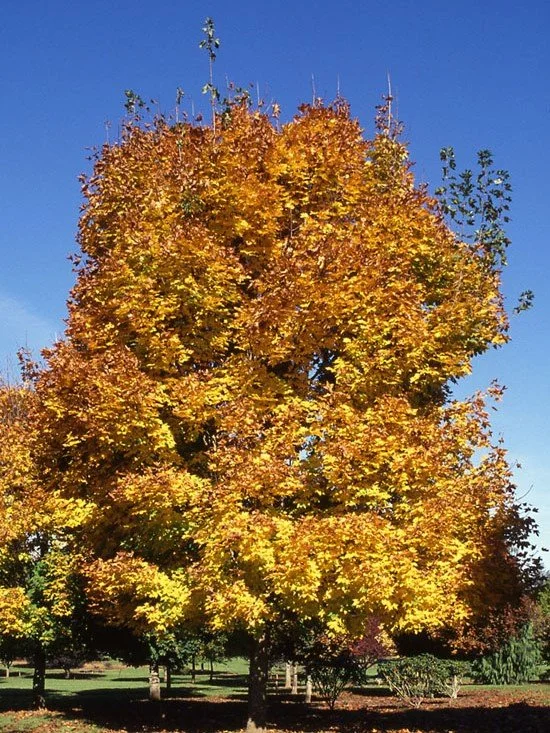
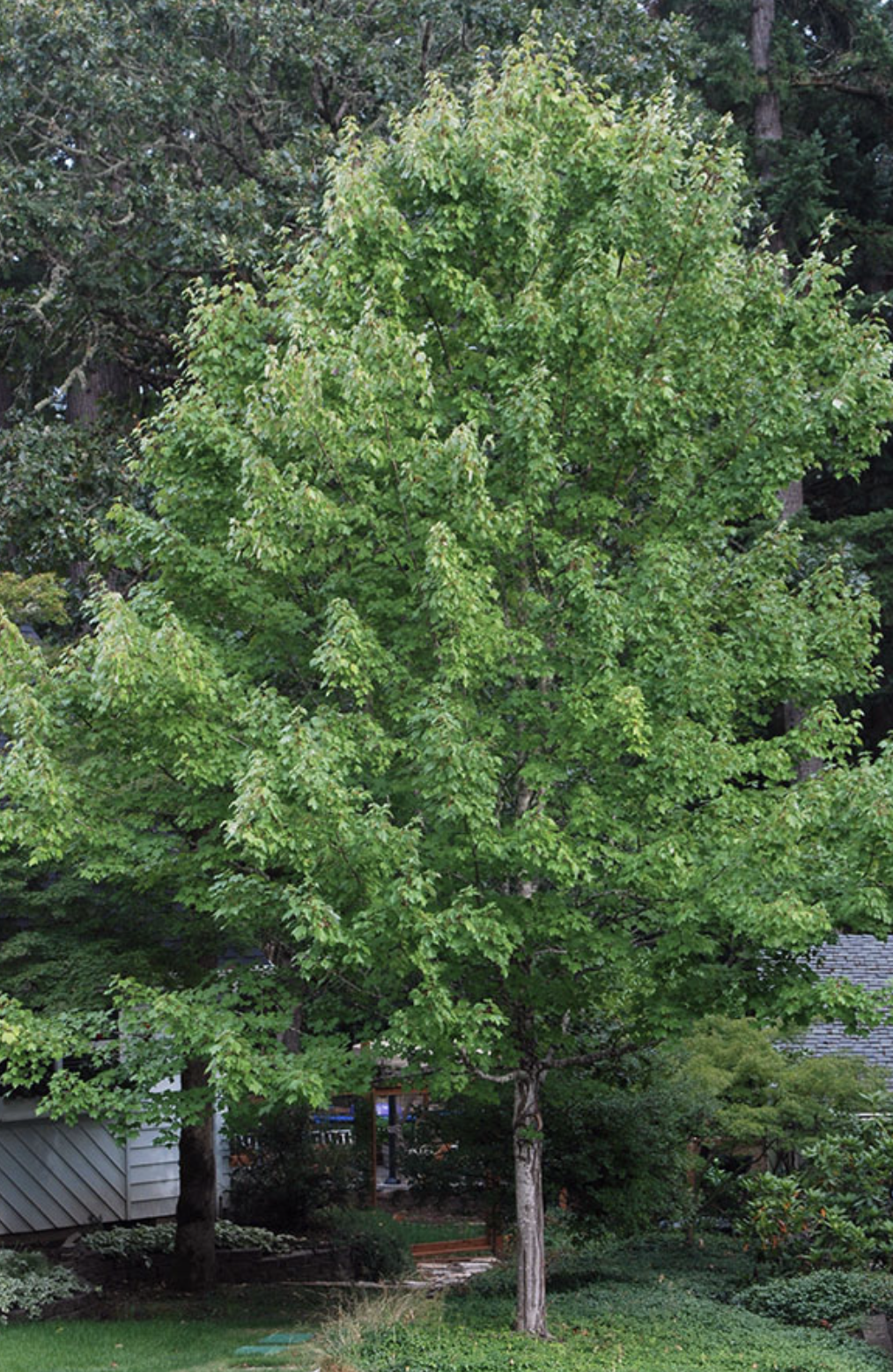
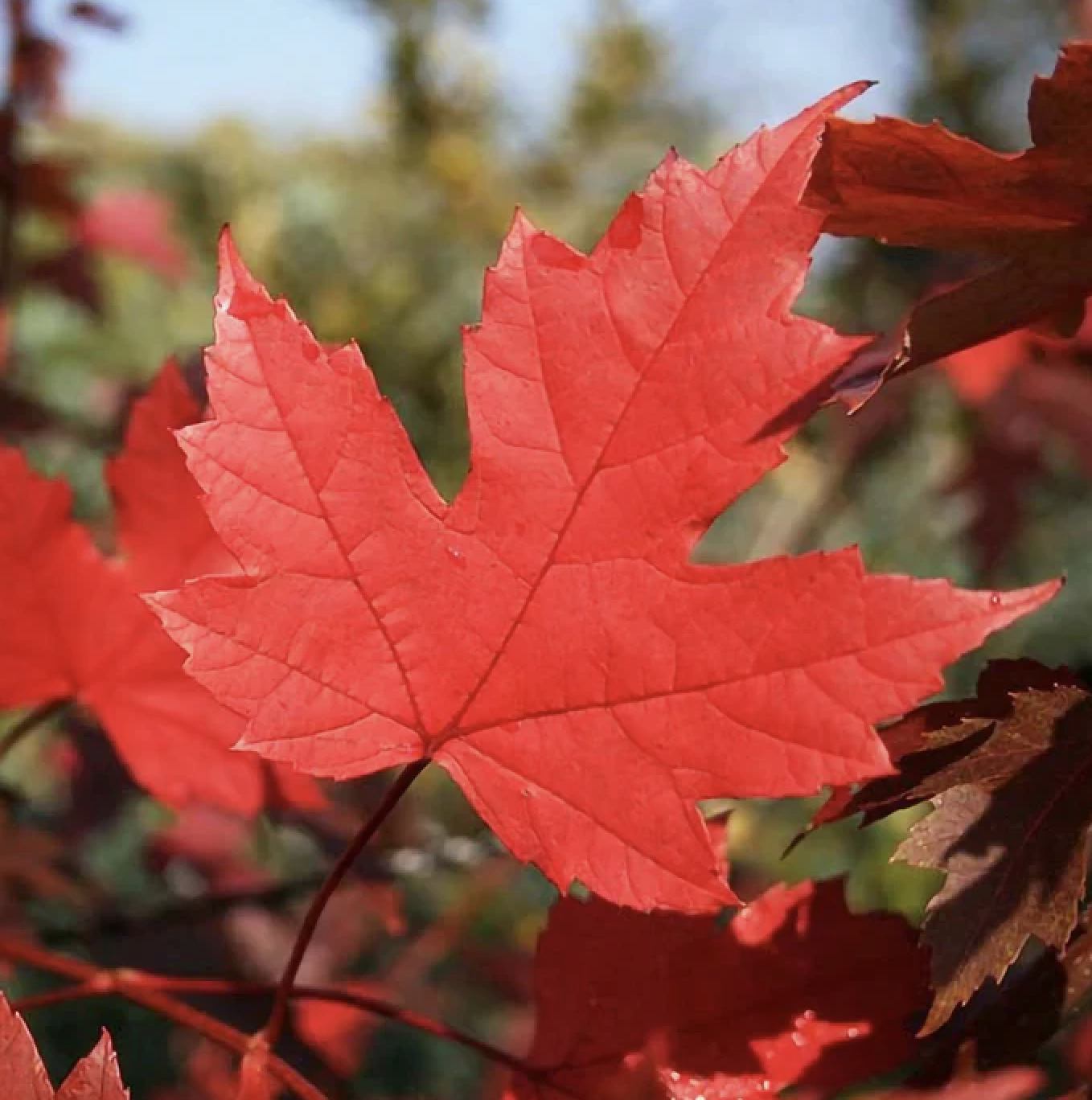
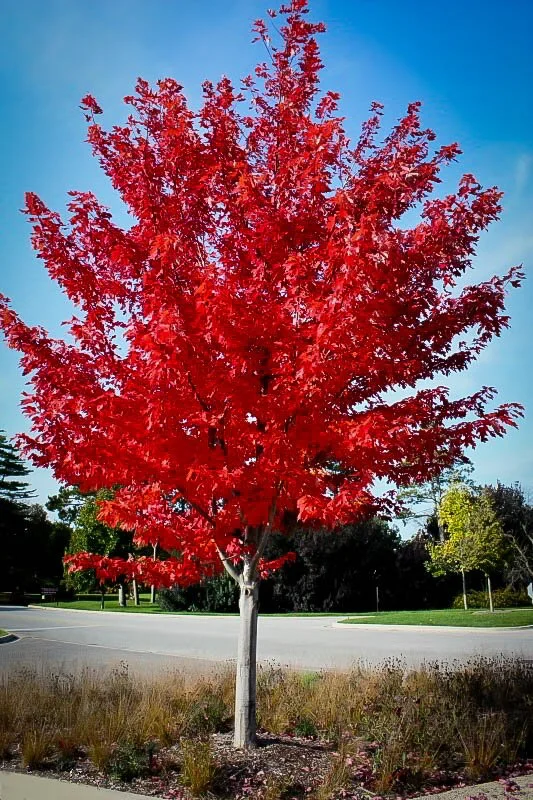
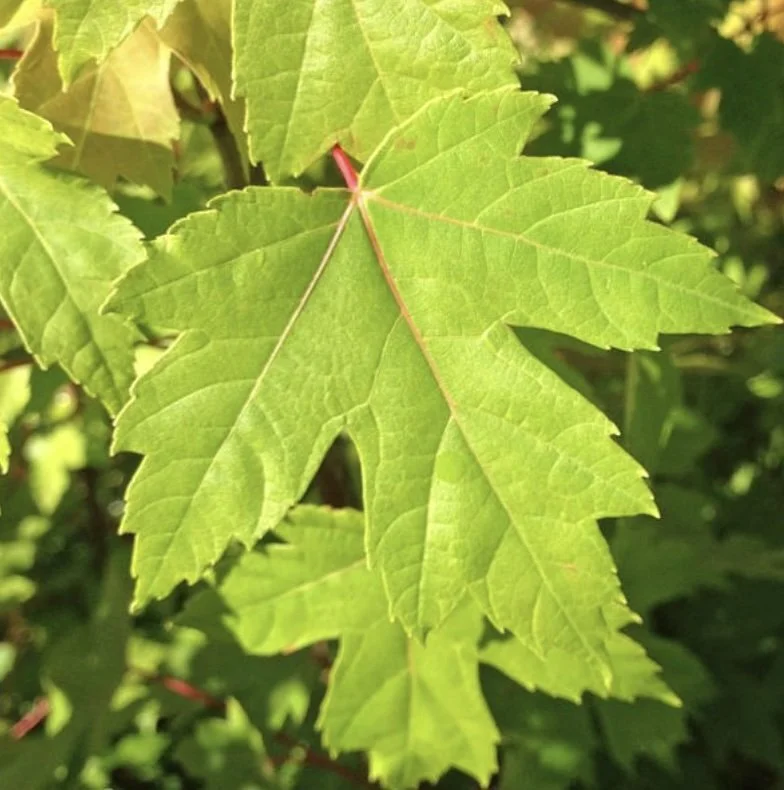
The Armstrong Freeman Maple is a hybrid tree, a cross between the Red Maple (Acer rubrum) and the Silver Maple (Acer saccharinum). This cultivar is known for its upright, narrow form and attractive fall color. In spring, it produces red flowers that attract pollinators, followed by dark green leaves that provide excellent shade throughout the summer. Armstrong is known for its expedited growth and adaptability, making it a favorite for urban environments.
Mature Height:
Typically reaches a mature height of 50-70 feet.
Spacing:
Spacing of 30-40 feet between trees is recommended to allow for proper growth and spread.
Interesting Information:
Armstrong is a fast-growing tree, adding up to 2 feet per year in ideal conditions.
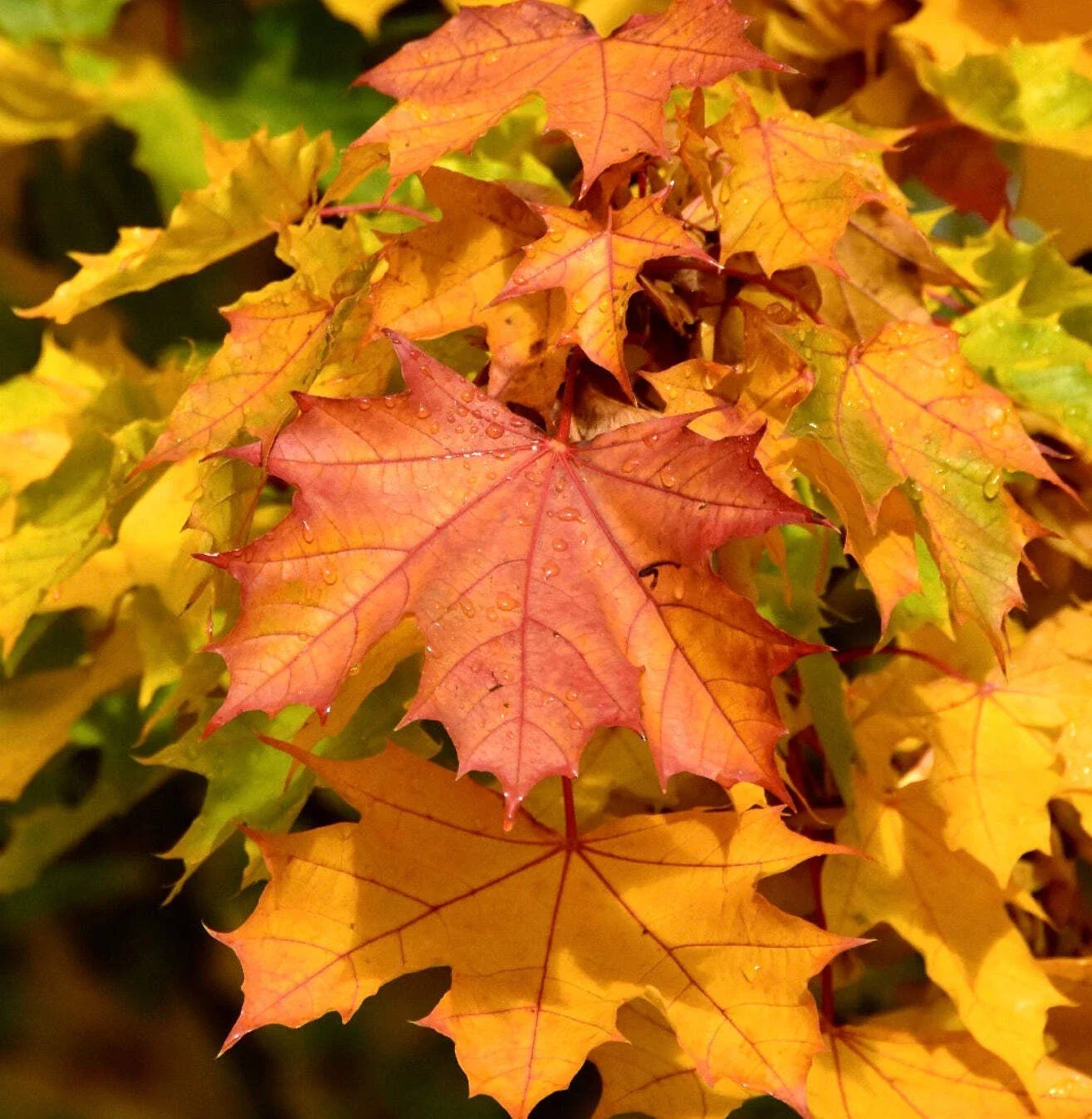
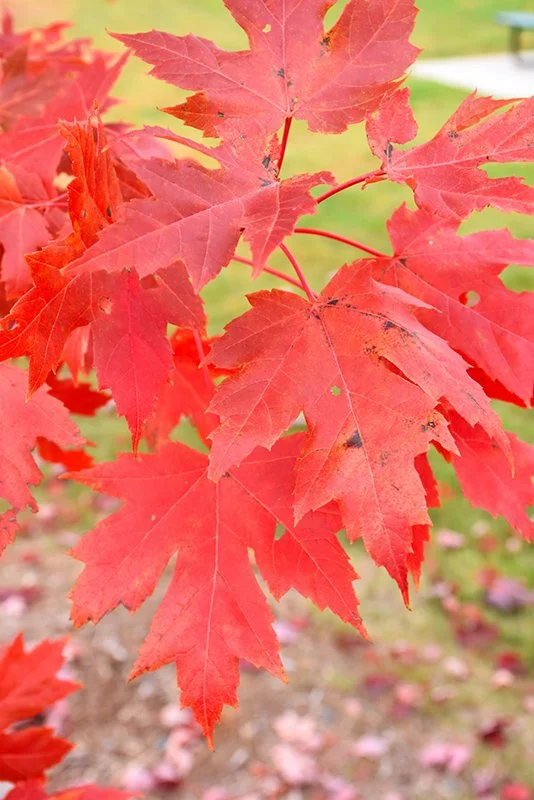
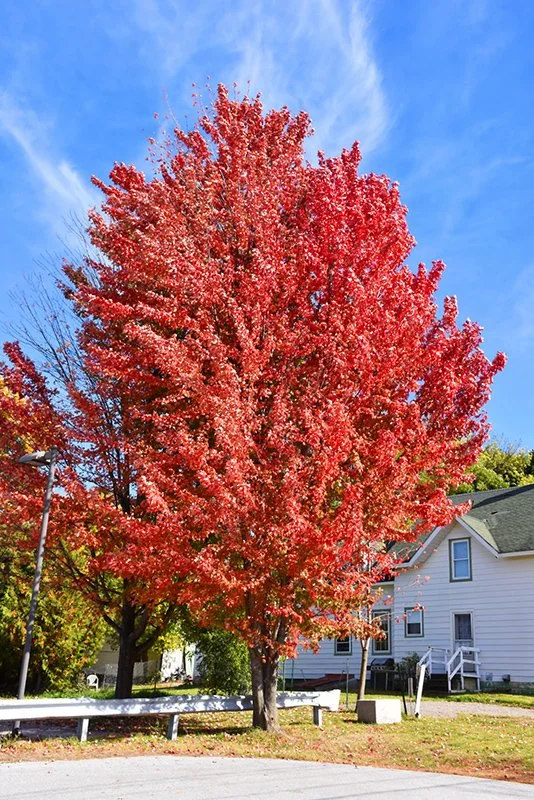
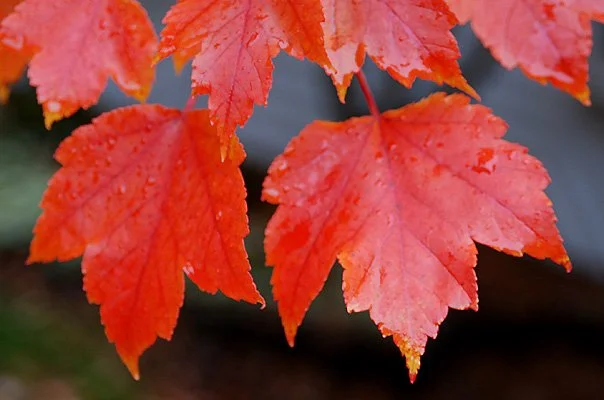
This variety is known for its impressive fall color, with the leaves turning vibrant shades of red and orange, creating a stunning visual display in autumn.
The tree is disease-resistant and more tolerant of urban conditions, including poor soil quality and air pollution.
It thrives in both wet and well-drained soils, making it adaptable to a wide range of locations.
Grow Zone:
Zones 4-8, suitable for a variety of climates across North America
The Armstrong Freeman Maple is a hybrid tree, a cross between the Red Maple (Acer rubrum) and the Silver Maple (Acer saccharinum). This cultivar is known for its upright, narrow form and attractive fall color. In spring, it produces red flowers that attract pollinators, followed by dark green leaves that provide excellent shade throughout the summer. Armstrong is known for its expedited growth and adaptability, making it a favorite for urban environments.
Mature Height:
Typically reaches a mature height of 50-70 feet.
Spacing:
Spacing of 30-40 feet between trees is recommended to allow for proper growth and spread.
Interesting Information:
Armstrong is a fast-growing tree, adding up to 2 feet per year in ideal conditions.
This variety is known for its impressive fall color, with the leaves turning vibrant shades of red and orange, creating a stunning visual display in autumn.
The tree is disease-resistant and more tolerant of urban conditions, including poor soil quality and air pollution.
It thrives in both wet and well-drained soils, making it adaptable to a wide range of locations.
Grow Zone:
Zones 4-8, suitable for a variety of climates across North America

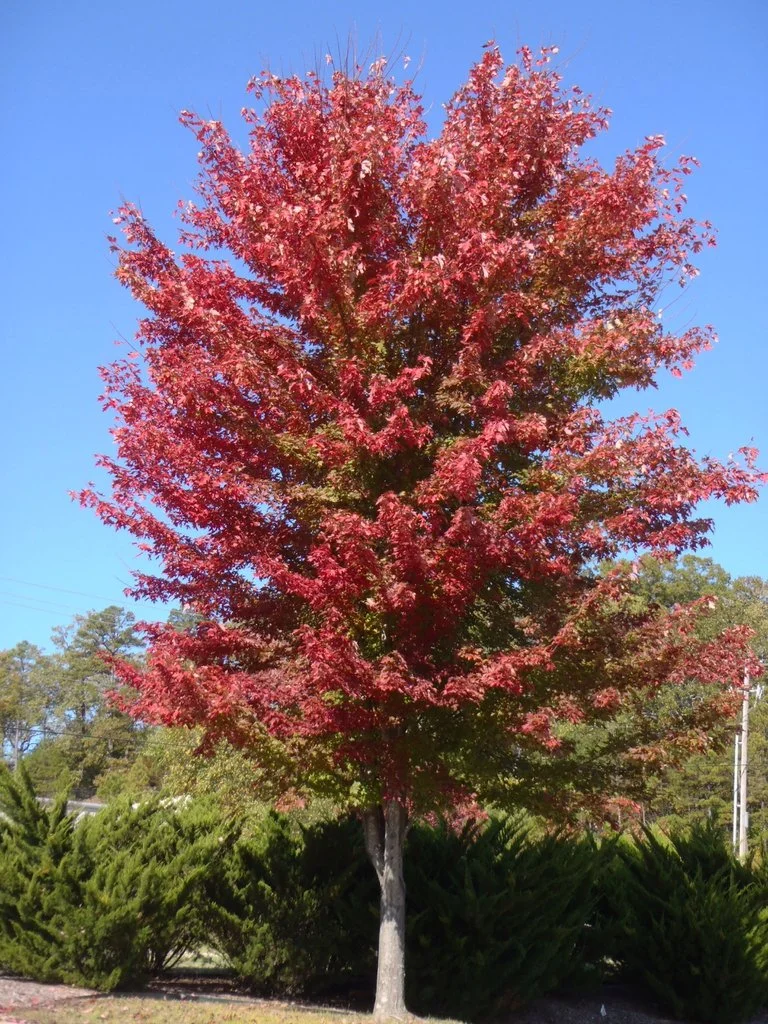 Image 1 of 2
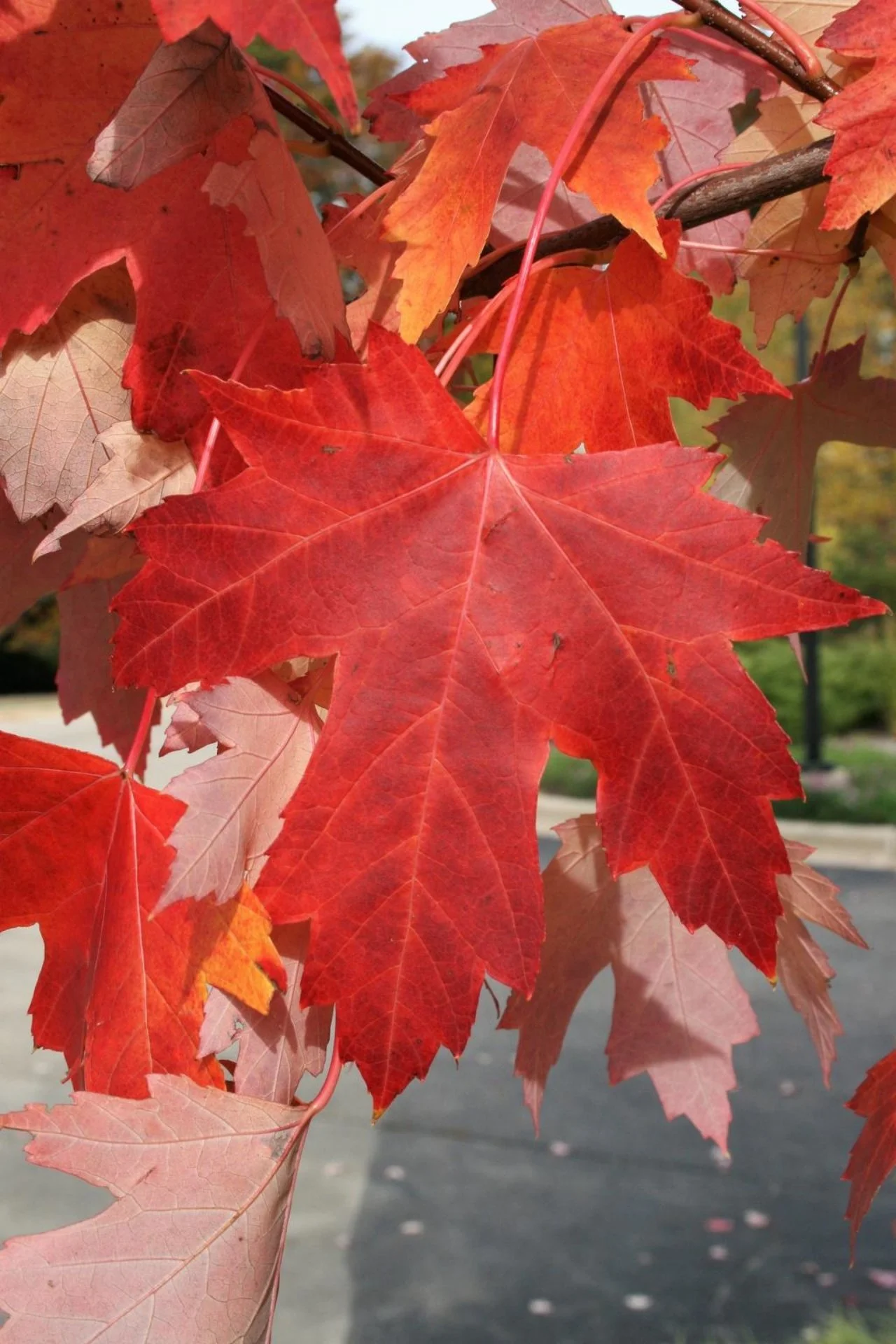 Image 2 of 2